





What's Happening?
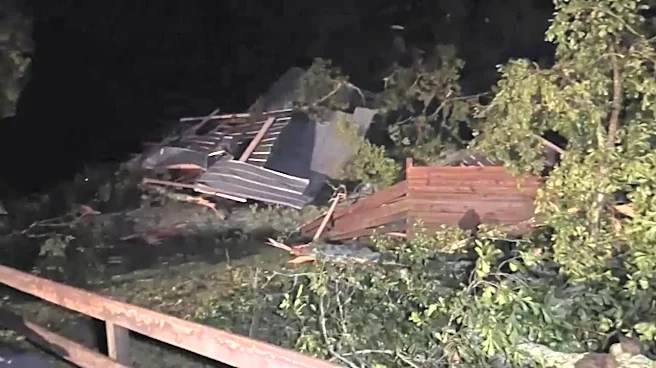
Georgia is currently battling two massive wildfires that have destroyed over 125 structures and forced hundreds of evacuations. The fires, which began in mid-to-late April, have burned more than 55,000 acres combined. The Pineland Road Fire, the larger
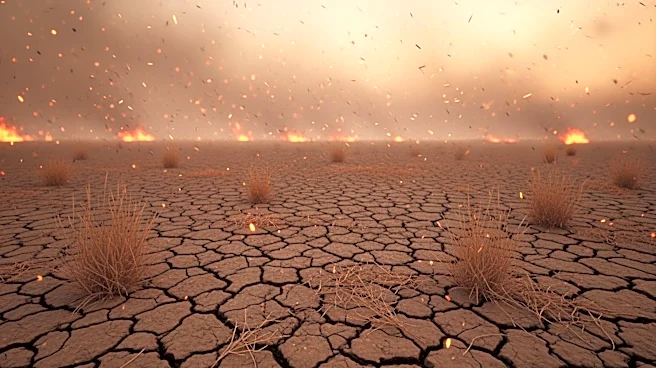
of the two, has burned about 32,500 acres and is believed to have been started by a spark from welding equipment. The Highway 82 Fire has burned about 22,000 acres and is thought to have been ignited by a foil balloon hitting a power line. Both fires are partially contained, with the Pineland Road Fire at 65% containment and the Highway 82 Fire at 85%. The fires are exacerbated by drought conditions and debris from Hurricane Helene in 2024, which provide ample fuel for the flames.
Why It's Important?
The wildfires in Georgia highlight the increasing vulnerability of regions to natural disasters exacerbated by climate change. The destruction of homes and infrastructure poses significant economic challenges for affected communities. The fires also strain emergency response resources and highlight the need for improved wildfire management strategies. The declaration of a state of emergency by Governor Brian Kemp underscores the severity of the situation and the necessity for federal assistance. The ongoing drought conditions and potential for a hot summer raise concerns about future fire risks, emphasizing the importance of proactive measures to mitigate such disasters.
What's Next?
In response to the wildfires, Georgia has implemented a ban on outdoor burning across much of the state. Firefighters continue to work on containment efforts, aided by recent rainfall that has helped slow the spread of the fires. However, officials warn that the danger is not over, as dry conditions could persist and lead to new fires. The state will likely continue to seek federal support and resources to manage the current crisis and prepare for future incidents. The situation calls for a reassessment of fire management policies and increased investment in prevention and response capabilities.