




What's Happening?
Treasury Secretary Scott Bessent has indicated that the U.S. may impose sanctions on Chinese AI companies if they are found to have stolen intellectual property from American firms. This announcement follows allegations that Chinese models have been using
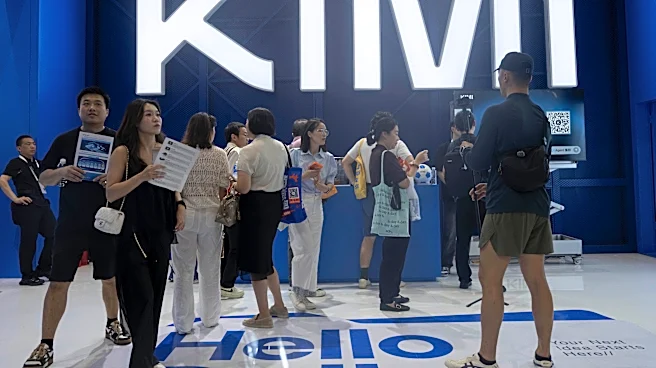
a technique called 'distillation' to replicate the capabilities of U.S. AI models. The U.S. government is particularly concerned about the impact of these practices on the competitive landscape of AI technology. Bessent's comments come amid reports that Chinese models, such as Moonshot AI's Kimi K3, are performing at levels comparable to leading U.S. models, raising concerns about the durability of the U.S. lead in AI development.
Why It's Important?
The potential sanctions highlight the ongoing technological rivalry between the U.S. and China, with AI technology being a critical area of competition. For U.S. companies, the threat of IP theft could undermine their competitive advantage and impact their ability to innovate. Sanctions could also have significant implications for Chinese AI companies, potentially restricting their access to international markets and resources. This development reflects broader geopolitical tensions and the strategic importance of AI technology in global economic and security dynamics.
What's Next?
The U.S. and China are expected to engage in discussions on AI in September, which could influence the U.S. government's decision on sanctions. The outcome of these talks will be closely watched by stakeholders in the AI industry and could have implications for international collaboration and regulation in AI development. The U.S. government will continue to monitor Chinese AI models for signs of IP theft, and any findings could lead to further actions.