







What's Happening?
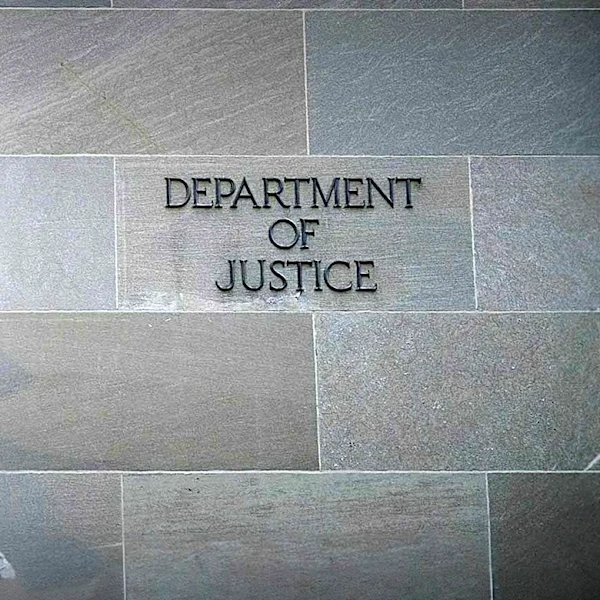
A federal judge has ruled that top Justice Department officials can continue to oversee the prosecution of Cole Tomas Allen, who is charged with attempting to assassinate President Trump at the White House Correspondents’ Association dinner. Allen's defense
argued for the disqualification of Acting Attorney General Todd Blanche and District of Columbia U.S. Attorney Jeanine Pirro, citing potential conflicts of interest due to their attendance at the event and Pirro's personal relationship with President Trump. However, U.S. District Judge Trevor McFadden, appointed by Trump, found no grounds for their disqualification, stating that their presence at the dinner does not make them trial witnesses or victims. Allen, who allegedly attempted to breach a security checkpoint armed with weapons, has pleaded not guilty to charges including assaulting a federal official and attempted assassination.
Why It's Important?
This ruling underscores the complexities of legal proceedings involving high-profile figures and events. The decision to allow top Justice Department officials to remain involved in the case highlights the challenges of ensuring impartiality in politically sensitive cases. The outcome of this case could have significant implications for the Justice Department's handling of similar high-profile prosecutions in the future. It also raises questions about the influence of personal relationships and political affiliations in legal proceedings, which could impact public trust in the justice system.
What's Next?
As the case proceeds, attention will likely focus on the legal strategies employed by both the prosecution and defense. The involvement of high-ranking Justice Department officials may continue to be a point of contention, potentially leading to further legal challenges. The trial's outcome could influence future protocols for security at high-profile events and the handling of cases involving threats to public figures. Additionally, the case may prompt discussions about the ethical considerations of personal relationships between legal officials and political figures.