







What's Happening?
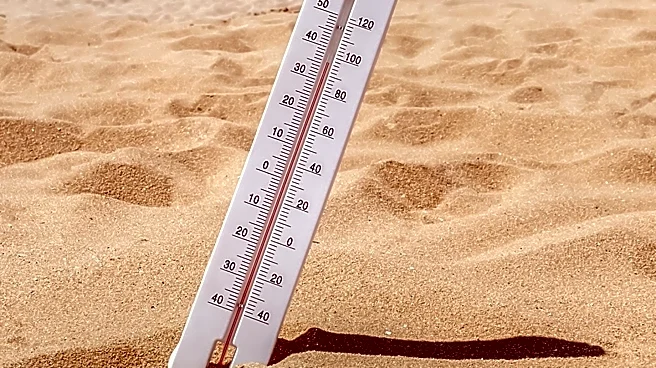
A severe heat wave has gripped the East Coast, Southeast, and Southwest regions of the United States, resulting in at least 25 fatalities. The heat wave, which has persisted for a week, has led to record high temperatures in several cities, including
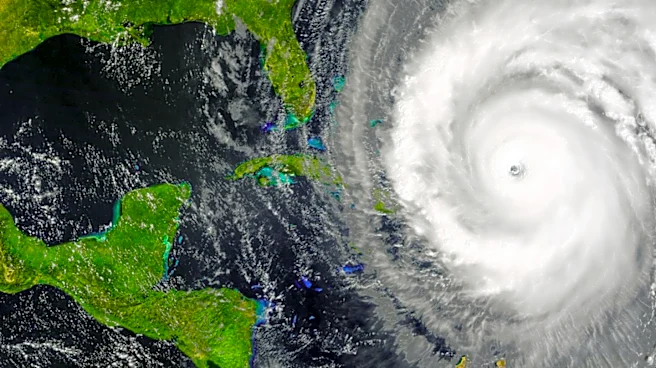
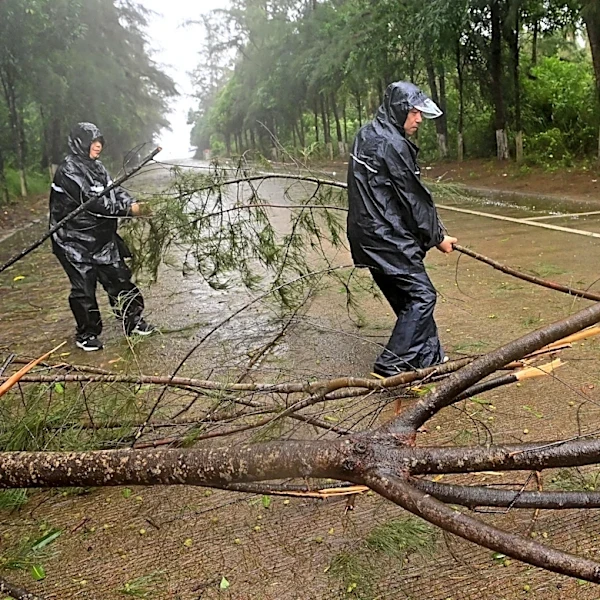
Washington, D.C., Baltimore, and Raleigh. Heat index values have reached between 100 to 105 degrees Fahrenheit in major cities such as Philadelphia and Charleston. The extreme temperatures have prompted heat alerts affecting 40 million people. In addition to the heat, summer storms have caused significant disruptions, with over 540 damaging wind gust reports across the central and eastern U.S. Power outages have affected thousands, with significant numbers reported in Michigan, Pennsylvania, and New Jersey. The storms have also brought the risk of flash flooding, particularly in the mid-Atlantic region, with heavy rainfall expected to continue.
Why It's Important?
The ongoing heat wave and accompanying storms highlight the increasing frequency and intensity of extreme weather events, which pose significant challenges to public health and infrastructure. The fatalities underscore the vulnerability of populations, particularly in urban areas where heat can be more intense. The widespread power outages and emergency room visits for heat-related illnesses indicate the strain on public services and healthcare systems. The economic impact is also notable, as disruptions to daily life and potential damage to infrastructure can have long-term consequences. This situation emphasizes the need for effective emergency preparedness and response strategies to mitigate the effects of such extreme weather conditions.
What's Next?
As temperatures are expected to drop slightly, the immediate focus will be on recovery and addressing the impacts of the heat wave and storms. Authorities will likely continue to monitor weather conditions closely, with ongoing alerts for potential flash flooding in affected areas. Efforts to restore power and provide assistance to those impacted by the heat and storms will be critical. In the longer term, this event may prompt discussions on climate resilience and the need for infrastructure improvements to better withstand extreme weather events.