





What's Happening?
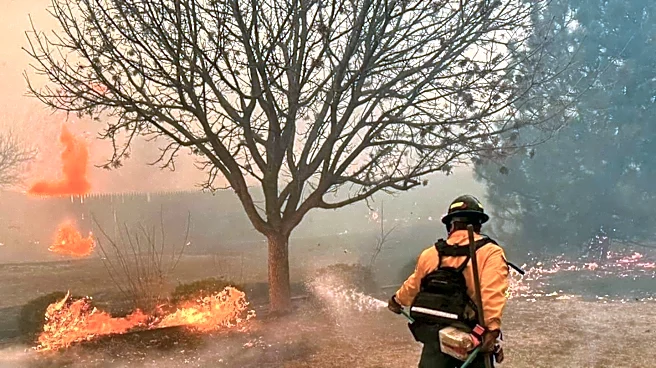
A Wellston firefighter has died after being critically injured while battling a wildfire in Lincoln County, Oklahoma. The incident occurred on September 7 as crews fought a blaze near Carney that ultimately burned over 260 acres. The firefighter was transported
to an area hospital in critical condition and later succumbed to their injuries. Multiple agencies have confirmed the death, with Lincoln County Emergency Management issuing a statement expressing deep sadness and asking for thoughts and prayers for the Wellston Fire Department, the fallen firefighter's family, and all affected. The fire originated in an outbuilding near 820 Road and 3330 Road, subsequently spreading to a home and the surrounding acreage. Authorities reported that no one was home when the fire started. Crews from various agencies responded to the scene and successfully prevented the fire from spreading north beyond 810 Road. During the firefighting efforts, Lincoln County Emergency Management officials reported an 'incident within an incident' involving a 'mayday call broadcast' when the firefighter experienced a medical emergency. Wellston Fire Chief Todd Beesley stated that aid was rendered immediately, and the firefighter was quickly transported to an ambulance. The specific nature of the medical emergency has not been disclosed, and the cause of the fire remains under investigation.
Why It's Important?
The death of a firefighter in the line of duty underscores the inherent dangers and significant risks faced by emergency responders, particularly those combating wildfires. This incident highlights the physical and mental toll that such demanding and unpredictable situations can take on personnel. Wildfires, which are becoming increasingly prevalent and severe across the U.S., pose complex challenges for fire departments, often requiring extensive resources and prolonged engagement in hazardous conditions. The loss of a firefighter not only impacts the immediate community and the individual's family but also serves as a somber reminder of the sacrifices made by those dedicated to public safety. It can lead to increased scrutiny of safety protocols, equipment, and training for wildfire suppression. Furthermore, such tragedies can affect morale within fire departments and potentially influence recruitment and retention efforts in a profession already facing staffing challenges. The incident also brings attention to the broader issue of wildfire management and prevention strategies in areas prone to such events, emphasizing the need for continued investment in resources and support for firefighting agencies.
What's Next?
The immediate next steps will likely involve an official investigation into the circumstances surrounding the firefighter's death and the cause of the wildfire. This investigation will aim to determine if any factors contributed to the tragedy and to identify potential improvements in safety procedures or equipment. The Wellston Fire Department and Lincoln County Emergency Management will likely provide further details regarding memorial services and support for the fallen firefighter's family. There may also be a review of inter-agency coordination and response protocols for large-scale wildfires in the region. Discussions could arise at local and state levels regarding funding for fire departments, particularly for those in rural areas that often bear the brunt of wildfire incidents with fewer resources. Additionally, the incident may prompt renewed calls for public awareness campaigns on wildfire prevention and safety measures to reduce the risk of future blazes and protect emergency responders.
Beyond the Headlines
This tragic event extends beyond the immediate loss, touching upon the broader societal implications of a dangerous profession. The death of a firefighter can trigger a collective reflection on the value placed on public service and the support systems in place for those who undertake such risks. It highlights the psychological impact on fellow firefighters, who often form close-knit communities and experience profound grief and trauma when a colleague is lost. This incident may also reignite conversations about the long-term health and wellness of firefighters, including mental health support and resources for coping with the cumulative stress and trauma inherent in their work. The increasing frequency and intensity of wildfires, often linked to climate change, suggest that such incidents may become more common, placing greater strain on firefighting resources and personnel. This underscores the need for a holistic approach to firefighter well-being, encompassing not only physical safety but also comprehensive mental health programs and robust community support.