




What's Happening?
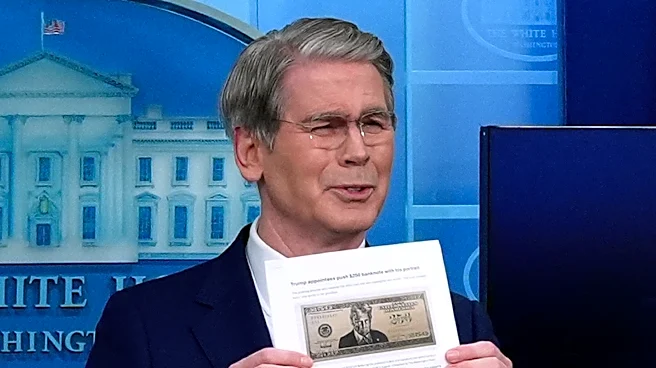
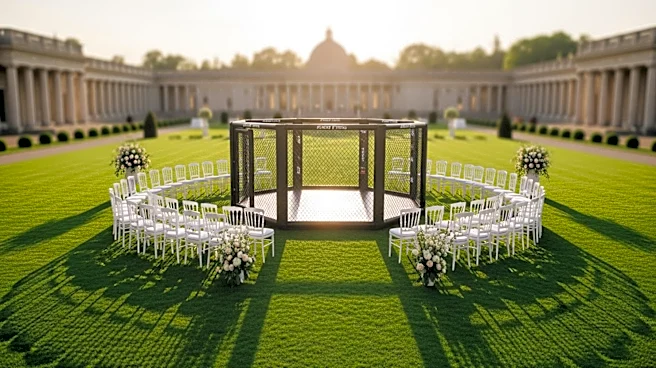
CNN's Kaitlan Collins fact-checked her colleague Scott Jennings regarding a report about the Defense Department's requirements for military members attending President Trump's White House UFC event. Jennings claimed the White House dismissed the report as
'fake news,' stating there were no restrictions and that military members were welcome. However, Collins countered with a memo indicating that attendees must meet specific physical fitness standards, including a waist-to-height ratio of less than 0.55. The memo, reported by The Washington Post, suggests that military personnel must adhere to these standards to attend the event in uniform. Defense officials reportedly emphasized the importance of attendees 'looking good' on camera, implying a preference for physically fit soldiers.
Why It's Important?
This development highlights ongoing debates about the use of military personnel in political events and the standards imposed on them. The memo's requirements could be seen as controversial, as they prioritize appearance over service, potentially affecting morale and perceptions of military inclusivity. The situation underscores tensions between media narratives and official statements, as well as the broader implications of using military members as visual props in political settings. The event's portrayal and the memo's existence could influence public opinion on military representation and the administration's priorities.
What's Next?
The controversy may prompt further scrutiny of the administration's use of military personnel in public events. It could lead to discussions within the Defense Department about the appropriateness of such requirements and their impact on military morale. Political commentators and media outlets might continue to debate the ethical implications of the memo, potentially influencing future policies on military participation in political events. The White House may need to address these concerns to mitigate any negative fallout.
Beyond the Headlines
The memo's focus on physical appearance raises questions about the military's role in political optics and the potential for discrimination based on body standards. This could spark broader discussions about body image and fitness standards within the military, as well as the ethical considerations of using service members as political symbols. The situation may also reflect larger societal issues regarding body image and the pressure to conform to certain physical ideals.