





What's Happening?
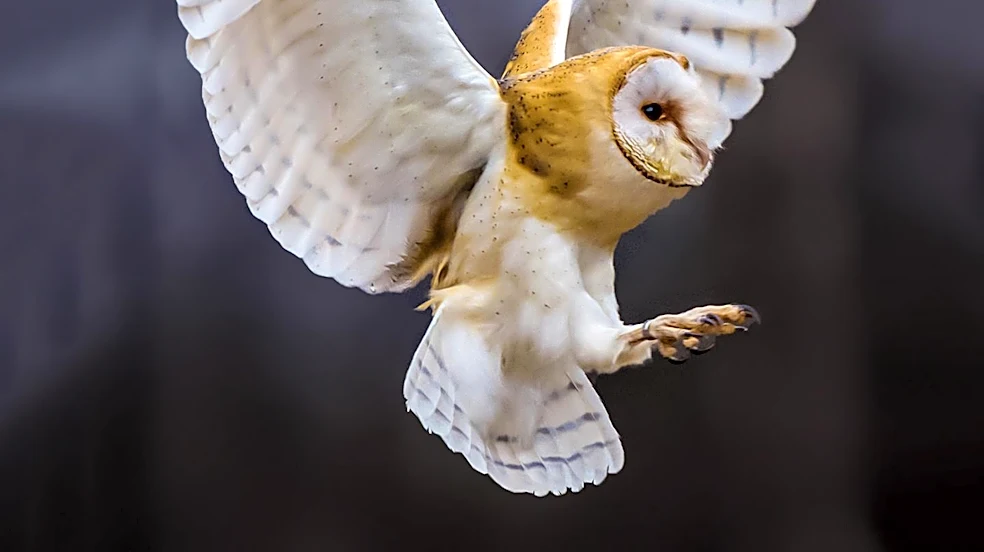
A family of barn owls has been discovered nesting in a water tower atop a building on Manhattan's Upper West Side, near Central Park. This marks the first documented instance of barn owls nesting in Manhattan in modern history, according to Andrew Farnsworth,
a migration ecologist at the Cornell Lab of Ornithology. The presence of the owls, including at least one adult and five fledglings, has captivated New Yorkers, drawing nightly crowds of onlookers and photographers. Residents, like Elisabeth Williams, first noticed the owls and reported their sightings, having previously heard unusual screeching noises since early September. David Barrett, a Manhattan-based birder, confirmed the presence of multiple owls and observed an adult carrying rodents back to the water tower. Barn owl sightings are rare in New York City, and their population has been declining, making this discovery particularly significant.
Why It's Important?
The appearance of a barn owl family in a densely urban environment like Manhattan is a remarkable ecological event, highlighting the adaptability of wildlife and the potential for biodiversity even in unexpected places. This discovery is important for several reasons: it provides a unique opportunity for urban residents to connect with nature, fostering greater appreciation for wildlife conservation. It also offers valuable data for ornithologists and ecologists studying urban wildlife, particularly for a species whose population has been in decline. The public's enthusiastic response, with crowds gathering nightly, demonstrates a strong community interest in nature, which can translate into increased support for environmental initiatives. Furthermore, the owls' presence could prompt discussions about urban planning, green spaces, and the impact of human activity on local ecosystems, encouraging more wildlife-friendly urban development practices. The event also serves as a reminder of the unexpected natural wonders that can emerge in metropolitan areas.
What's Next?
The barn owl family will likely continue to be a focal point for local residents and bird enthusiasts, with ongoing observations and photography. Experts will continue to monitor the owls' behavior and nesting success, potentially gathering valuable data on urban barn owl ecology. The increased public awareness could lead to local conservation efforts aimed at protecting the owls and their habitat, such as ensuring the area remains undisturbed and addressing potential threats like rodenticides. Educational initiatives might also emerge, using the owls as a case study to teach about urban wildlife and conservation. The story may also inspire other urban areas to assess and promote their own biodiversity, encouraging a broader movement towards integrating nature into city life. The Obersteiner family, whose roof deck offers a prime viewing spot, will likely continue to host nature photographers.
Beyond the Headlines
The fascination with the barn owls in Manhattan goes beyond a simple wildlife sighting; it taps into a deeper human need for connection with nature, especially in an increasingly urbanized world. The owls' presence offers a sense of wonder and a break from the daily grind of city life, providing a shared experience that unites diverse New Yorkers. This phenomenon echoes previous instances where urban wildlife, like Flaco the Eurasian eagle-owl and Pale Male the red-tailed hawk, captured the city's attention, demonstrating a recurring pattern of urban dwellers finding solace and excitement in unexpected natural encounters. The story also subtly highlights the challenges faced by wildlife in urban environments, such as the threat of poisoned rats, and underscores the importance of responsible urban living to protect these vulnerable species. It's a testament to the enduring power of nature to surprise, inspire, and bring communities together, even in the heart of a bustling metropolis.