




What's Happening?
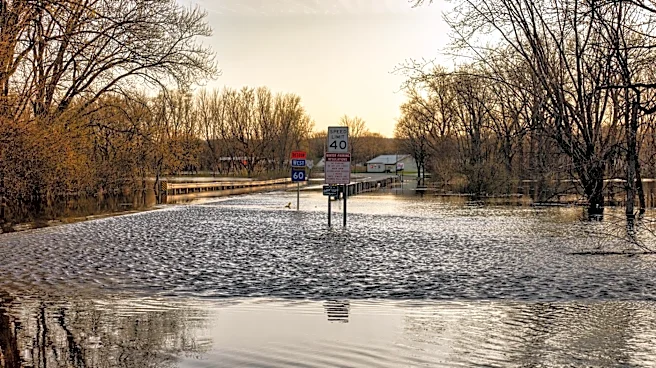
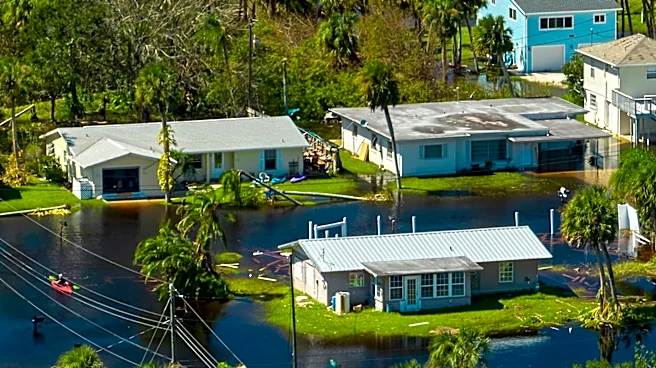
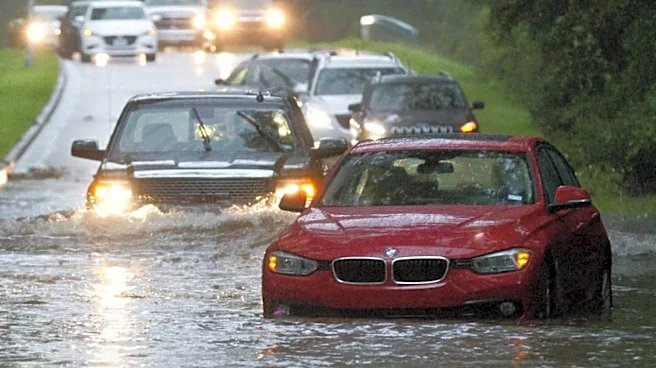
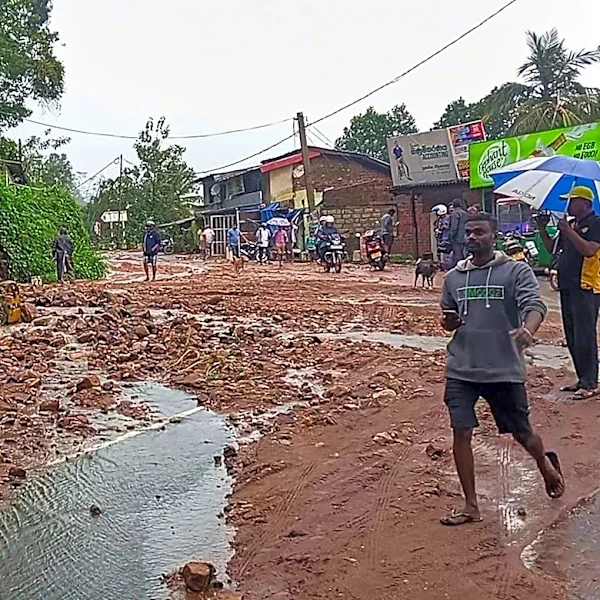
The cities of McCaysville, Georgia, and Copperhill, Tennessee, are recovering from severe flooding following a storm that dropped over seven inches of rain in eight hours. Local officials, including McCaysville's Chief of Police Michael Earley, suggest
that ongoing State Highway 5 road construction may have exacerbated drainage issues, leading to significant flooding in downtown areas. Businesses, government buildings, and residential properties have been affected, with the McCaysville Police Department and Post Office among those flooded. The Georgia Department of Transportation (GDOT) has acknowledged the storm's severity but has not confirmed construction as a contributing factor. GDOT plans to explore future mitigation strategies. Both cities are under boil water advisories due to damage to water treatment systems.
Why It's Important?
The flooding in McCaysville and Copperhill highlights the potential impact of infrastructure projects on local communities, especially during severe weather events. The debate over the role of road construction in exacerbating the flooding underscores the need for careful planning and risk assessment in public works projects. The situation also raises concerns about the resilience of local infrastructure to extreme weather, which is becoming more frequent due to climate change. The economic impact on local businesses and the strain on public resources for recovery efforts are significant, affecting the livelihoods of residents and the operational capacity of local governments.
What's Next?
Recovery efforts are ongoing, with local authorities and volunteers working to clear debris and restore essential services. The GDOT's commitment to investigating mitigation strategies suggests potential future changes in construction practices to prevent similar incidents. The situation may prompt broader discussions on infrastructure resilience and emergency preparedness in the face of climate change. Local governments may also need to reassess their disaster response plans and infrastructure investments to better protect communities from future extreme weather events.