




What's Happening?
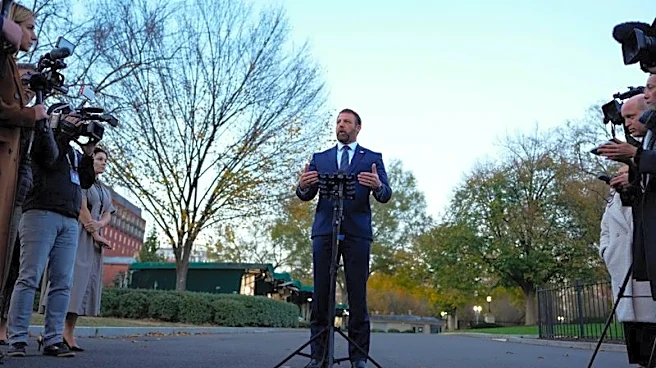
Following recent widespread technology and banking disruptions across the United States, local law enforcement in Houston is issuing warnings to residents about an increase in phishing scams. Captain Jonathan Zitzmann with the Harris County Precinct 4
Constable's Office advises the public to be vigilant against scammers attempting to exploit the confusion to steal personal and financial information. Recent disruptions included an internal software bug at JPMorgan Chase that affected online banking and Zelle transfers for several major financial institutions, as well as unrelated outages impacting Microsoft services and Federal Aviation Administration air traffic communications. While officials state there is no evidence connecting these technical failures, opportunistic criminals routinely use such widespread service interruptions to send fraudulent text messages, emails, and phone calls. Zitzmann emphasizes that individuals should never respond to unsolicited requests for personal or financial information, nor should they click on any links embedded in suspicious messages.
Why It's Important?
The surge in phishing scams following widespread technical outages underscores the persistent threat of cybercrime and the vulnerability of the public during periods of uncertainty. These scams can lead to significant financial losses and identity theft for individuals, eroding trust in digital financial services and communication platforms. For financial institutions and technology companies, such incidents highlight the critical need for robust cybersecurity measures and clear communication strategies during service disruptions to prevent customers from falling victim to fraud. The warnings from law enforcement are crucial for public awareness, empowering individuals to protect themselves by adopting skeptical approaches to unsolicited communications. This situation also emphasizes the broader societal challenge of digital literacy and the continuous education required to navigate an increasingly complex online environment safely.
What's Next?
Law enforcement agencies will likely continue to monitor and issue alerts regarding new scam tactics, especially as technology evolves and new vulnerabilities emerge. Financial institutions are expected to reinforce their security protocols and enhance customer education on fraud prevention. For individuals, the immediate next steps involve remaining vigilant, verifying any suspicious communications directly with their banks or service providers using official contact information, and reporting any attempted scams to local authorities. If someone has already clicked a suspicious link or shared sensitive details, Captain Zitzmann recommends contacting their bank or credit card company immediately to halt pending transactions before filing a report with local law enforcement. This proactive approach is critical to limiting potential financial damage.
Beyond the Headlines
This situation reveals a deeper societal reliance on digital infrastructure and the cascading effects when that infrastructure experiences disruptions. Beyond the immediate financial threat, these scams can cause significant psychological distress and erode public confidence in essential services. The opportunistic nature of these criminals also highlights the constant need for individuals to develop a critical mindset when interacting with digital communications, fostering a culture of 'verify before you trust.' This ongoing battle against cybercrime also prompts discussions about the role of technology companies in securing their platforms, government regulation in protecting consumers, and the collective responsibility of individuals to practice safe online habits. The incident serves as a stark reminder that digital security is a shared responsibility, requiring continuous adaptation and education from all stakeholders.