


What's Happening?
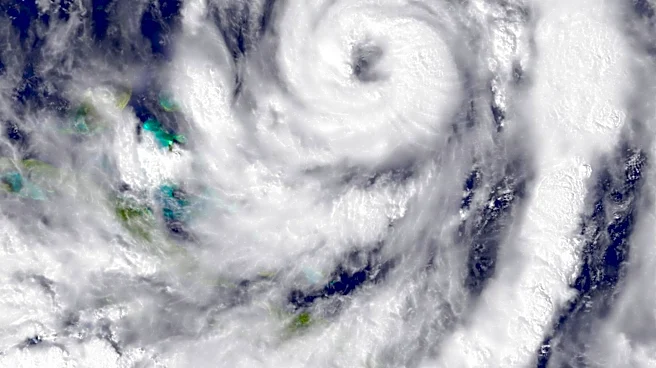
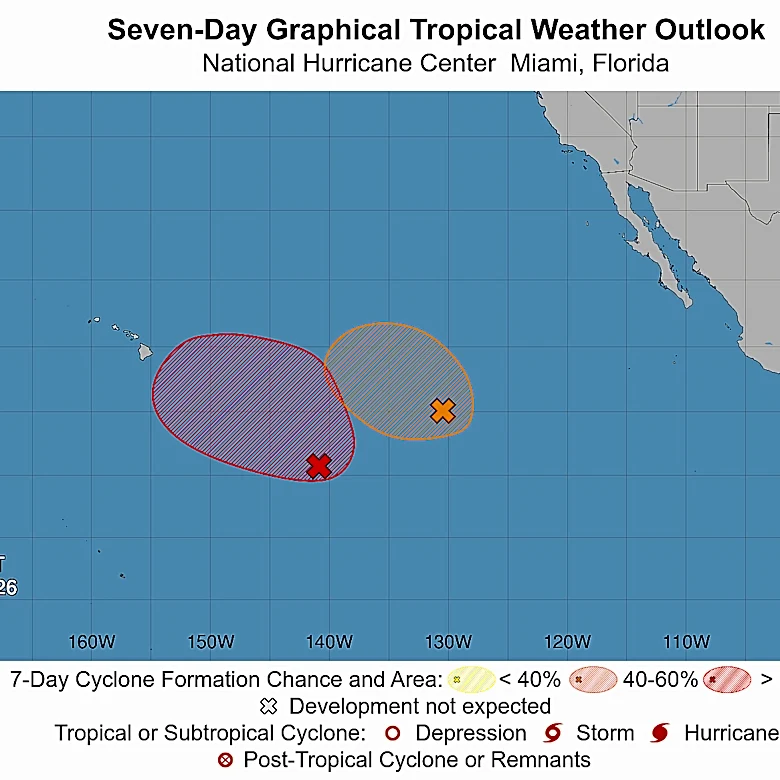
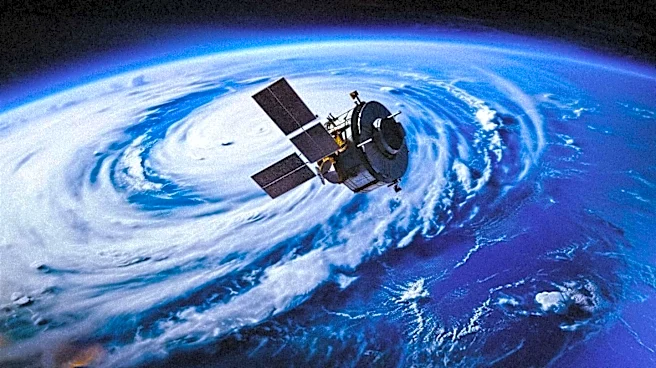
As the Atlantic hurricane season approaches its peak, two tropical waves have emerged from Africa, moving westward across the ocean. The National Hurricane Center is monitoring these waves, which have varying chances of development. The first wave, located
between the Cabo Verde Islands and the Lesser Antilles, has a low chance of development due to strong wind shear. The second wave, south of the Cabo Verde Islands, has a medium chance of becoming a tropical depression as it moves west-northwest. Both systems face significant obstacles, including wind shear and dry air, which could hinder their development.
Why It's Important?
The development of these tropical waves is crucial for understanding potential impacts on the Caribbean and the United States. While neither system currently poses a threat, their progress is closely watched by meteorologists and emergency management officials. The presence of strong wind shear and dry air highlights the challenges these systems face in developing into significant storms. Monitoring these waves provides valuable data for predicting future weather patterns and preparing for potential impacts on coastal regions.
What's Next?
The National Hurricane Center will continue to monitor the progress of these tropical waves as they move across the Atlantic. Forecasters will assess changes in environmental conditions, such as wind shear and sea surface temperatures, to determine the likelihood of development. Residents in the Caribbean and along the U.S. East Coast are advised to stay informed about potential weather developments. The ongoing analysis of these systems will contribute to improved forecasting and preparedness efforts for the remainder of the hurricane season.