






What's Happening?
Joshua Tree National Park, spanning nearly 800,000 acres in southern California, is recruiting a Visitor Outreach Technician. This position, offered in cooperation with the Research Associate Program at GBI, aims to enhance visitor education and safety
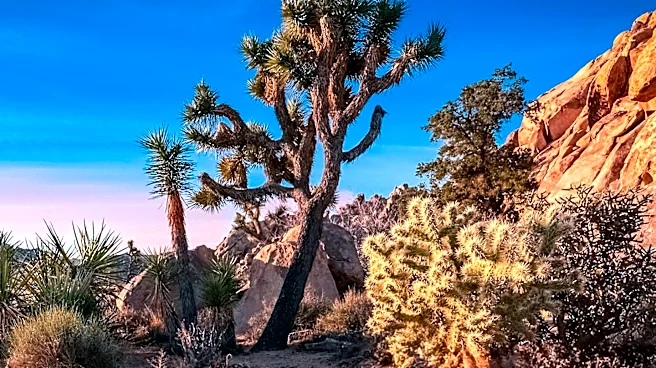
within the park. The technician will support visitor services, public engagement, science and resource stewardship activities, and the volunteer program. Key responsibilities include providing visitor orientation and safety information at park visitor centers, answering questions, and assisting with trip planning. The role also involves collecting data on common visitor information needs and safety concerns to inform outreach planning. The park, a transition zone between the Mojave and Colorado Deserts, is known for its outdoor recreation opportunities, including hiking and rock climbing, and is certified as an International Dark Sky Park. The position requires working in challenging desert conditions, including extreme heat and cold, and involves extensive outdoor work.
Why It's Important?
This initiative is crucial for maintaining visitor safety and preserving the unique ecosystem of Joshua Tree National Park. By enhancing visitor education and outreach, the park aims to mitigate risks associated with its challenging desert environment, which includes triple-digit heat, cold temperatures, and rugged terrain. Improved communication of safety guidelines and responsible recreation practices can reduce incidents and ensure a more enjoyable experience for visitors. Furthermore, the role supports resource stewardship by engaging the public in conservation efforts and collecting data that can inform park management decisions. This focus on visitor engagement and safety is vital for national parks, which often face the dual challenge of accommodating increasing visitor numbers while protecting sensitive natural and cultural resources. Effective outreach can also foster a greater appreciation for the park's unique geology, ecology, and dark sky status.
What's Next?
The selected Visitor Outreach Technician will begin a 34-week full-time term, working 40 hours per week, typically Tuesday to Saturday, with potential for evening and holiday shifts. The immediate next steps involve the technician assisting with hands-on data collection, developing outreach products like videos and photographs, and enhancing digital and in-park communication channels for visitor orientation and safety messaging. They will also support interpretation-led volunteer programs and stewardship projects by coordinating on-site volunteers and public outreach. The insights gained from visitor interactions and data collection will be communicated to National Park Service (NPS) staff to refine visitor engagement and outreach strategies. The park will continue to emphasize clear and effective communication to improve visitor and volunteer safety, while also focusing on volunteer recruitment and retention to support its various programs.
Beyond the Headlines
The recruitment of a Visitor Outreach Technician at Joshua Tree National Park highlights a broader trend in national park management: the increasing emphasis on visitor experience and resource protection through direct engagement. As national parks experience growing visitation, the need for effective communication about safety, conservation, and responsible recreation becomes paramount. This role underscores the ethical responsibility of park services to not only provide access to natural wonders but also to educate visitors on how to interact with these environments sustainably and safely. It also reflects the evolving role of technology in park management, with the technician supporting digital communication and media creation. The long-term implications include fostering a more informed and responsible visitor base, which can contribute to the enduring preservation of these critical natural landscapes for future generations, while also addressing the challenges posed by climate change and increased human impact on fragile desert ecosystems.