
What's Happening?
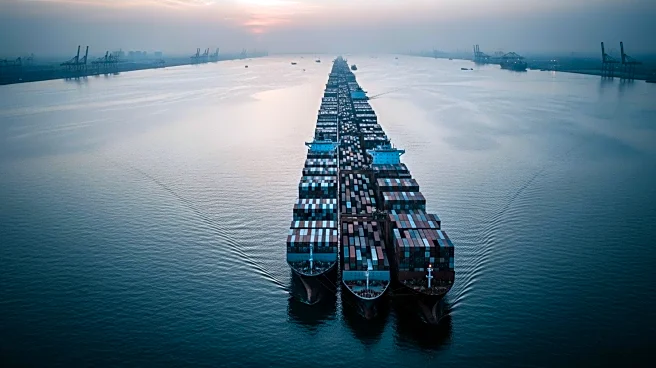
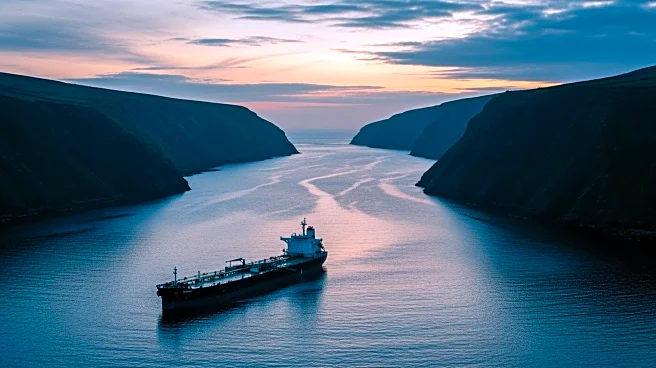
Supertanker costs in the Middle East have reached unprecedented levels due to escalating tensions between the U.S. and Iran. The conflict has led to attacks on ships passing through the Strait of Hormuz, a critical maritime passage that facilitates the transport
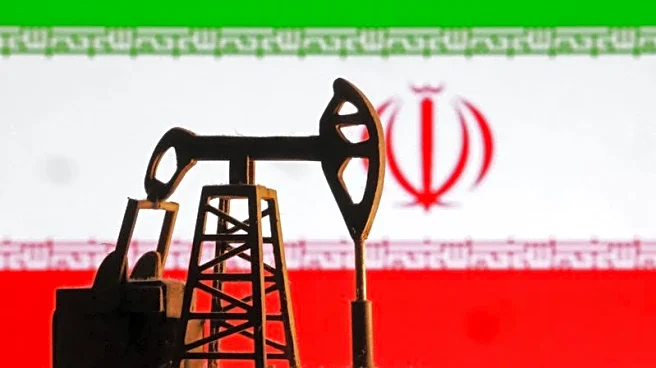
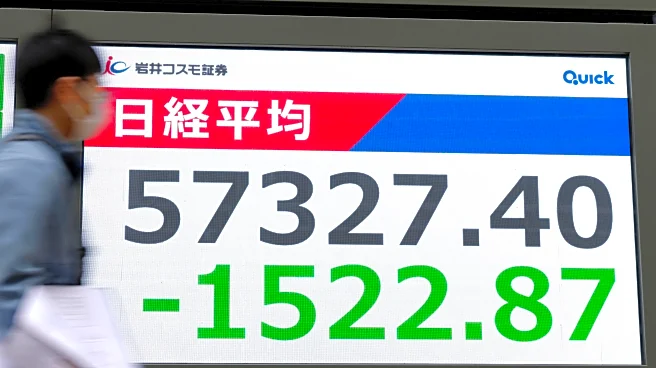
of about one-fifth of the world's oil and significant quantities of liquefied natural gas. The disruption has caused a spike in oil and European natural gas prices, with Brent crude futures rising nearly 10% this week. The benchmark freight rate for very large crude carriers (VLCCs) has soared to an all-time high, doubling from the previous week. Iran's retaliatory actions against U.S. and Israeli strikes have further exacerbated the situation, with Iran's Revolutionary Guards threatening to attack any ship attempting to pass through the Strait.
Why It's Important?
The closure of the Strait of Hormuz poses a significant threat to global energy markets, as it is a vital chokepoint for oil and gas shipments. The surge in shipping costs and the potential for prolonged disruptions could lead to increased energy prices worldwide, affecting economies reliant on Middle Eastern oil. The situation also highlights the geopolitical risks associated with energy supply routes and the vulnerability of global trade to regional conflicts. The increased threat level has prompted marine insurers to cancel war risk coverage, further complicating shipping operations in the region.
What's Next?
Until safe passage through the Strait of Hormuz is assured, shipping activities are likely to remain disrupted. The international community may seek diplomatic solutions to de-escalate tensions and ensure the security of this critical maritime route. Meanwhile, countries dependent on Middle Eastern oil may explore alternative energy sources or routes to mitigate the impact of the crisis. The situation could also prompt discussions on enhancing maritime security and diversifying energy supply chains to reduce reliance on vulnerable chokepoints.