




What's Happening?
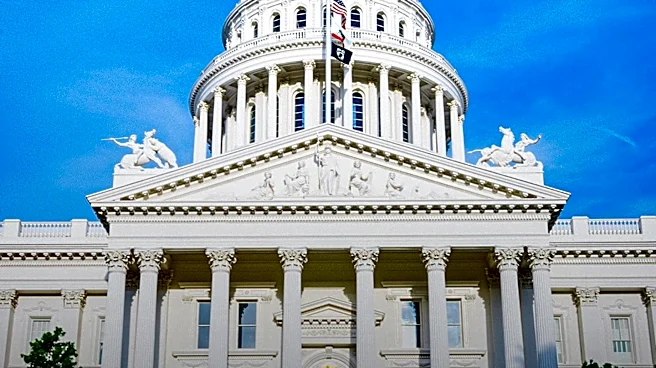
A new California law, AB 1572, will prohibit the irrigation of ornamental turf with potable water at corporate, industrial, government, and homeowners association properties across the state. This ban will be implemented in phases, beginning January 1 for local
and regional government agencies, including schools, cities, counties, courthouses, fire stations, and libraries. The law will extend to commercial businesses like office parks, car dealerships, supermarkets, strip malls, and corporate campuses, as well as colleges and universities, starting January 1, 2028. Homeowners associations will be subject to the ban from January 1, 2029. The legislation, signed by Governor Gavin Newsom in 2023, aims to conserve water regardless of drought conditions. It does not apply to residential homes, apartment buildings, cemeteries, or functional turf used for recreation, such as sports fields or playgrounds. Supporters, including the Natural Resources Defense Council and Heal the Bay, argue the law will save millions of gallons of water currently used on non-essential landscapes.
Why It's Important?
This new law represents a significant shift in water conservation policy in California, moving beyond drought-specific measures to implement permanent restrictions on water usage for decorative landscaping in commercial and public sectors. The initiative reflects a proactive approach to managing water resources in a state frequently impacted by droughts and facing increasing climate change challenges. By targeting ornamental turf, the law aims to reduce water waste in areas that do not serve a functional purpose, thereby preserving potable water supplies for more critical uses. The phased implementation allows various entities time to adapt, but it also places a burden on property owners to invest in water-efficient landscaping. Opponents, such as the Howard Jarvis Taxpayers Association, criticize the law as 'knee-jerk legislation' and argue for voluntary incentives and infrastructure development, like new reservoirs, instead of mandates. The law's success could set a precedent for other states grappling with water scarcity, influencing future conservation strategies and potentially driving innovation in drought-tolerant landscaping and irrigation technologies.
What's Next?
Starting January 1, local and regional government agencies in California will be required to comply with the ban on watering decorative grass with potable water. Enforcement is expected to be lenient initially, focusing on education, but non-compliance could eventually lead to fines of up to $1,000 per day. The State Water Resources Control Board and local retail water providers will be responsible for enforcement. Many local governments and property owners are reportedly unprepared for the new rules, with a survey indicating that 80% of clients are awaiting direction or avoiding the subject. However, some entities, like the city of Morgan Hill and the Villas of Almaden homeowners association, are proactively replacing turf with water-efficient landscaping, often utilizing available rebates. The law will expand to commercial businesses in 2028 and homeowners associations in 2029, prompting a gradual but widespread transformation of California's urban landscapes. The effectiveness of the law will depend on compliance rates, the availability of resources for landscape conversion, and the state's ability to balance enforcement with support for property owners.
Beyond the Headlines
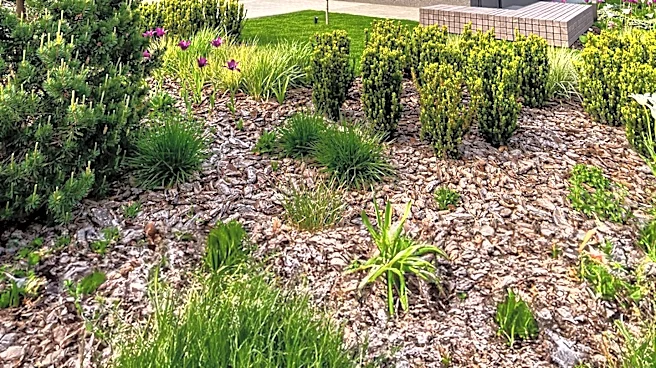
The California law banning the watering of decorative grass highlights a broader societal shift towards sustainable resource management and adaptation to climate change. Beyond the immediate water savings, this legislation could foster a new aesthetic for urban and commercial landscapes, promoting native and drought-tolerant plants over traditional lawns. This change has cultural implications, challenging long-held perceptions of what constitutes an attractive and well-maintained property. Ethically, the law raises questions about individual property rights versus collective environmental responsibility, particularly as it extends to homeowners associations. Economically, it will likely stimulate the landscaping industry towards sustainable practices, creating demand for new services and products related to xeriscaping and efficient irrigation systems. The legal challenges faced by a similar law in Nevada, where homeowners associations filed a class-action lawsuit, suggest potential legal battles in California regarding the burden on property owners and concerns about the 'urban heat island' effect. This policy could also influence urban planning and development, encouraging more integrated approaches to water conservation and green infrastructure.