







What's Happening?
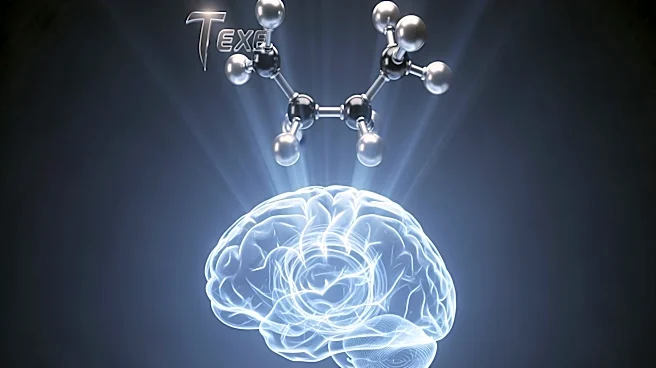
A study funded by the National Institutes of Health (NIH) and conducted by scientists at the Cleveland Clinic has revealed that male hormones, particularly testosterone, may play a crucial role in limiting the growth of brain tumors in men. The research
focused on glioblastoma, a type of brain cancer more prevalent in men. The study found that the loss of androgen hormones, such as testosterone, in a preclinical model of glioblastoma led to tumor growth by inducing local inflammation and stress hormone production. Analysis of data from over 1,300 men with glioblastoma showed that those receiving supplemental testosterone had significantly improved survival rates. This finding suggests that testosterone may help regulate the brain's immune response, preventing tumor progression.
Why It's Important?
The discovery that testosterone may help limit brain tumor growth in men is significant as it opens new avenues for treatment strategies against glioblastoma, a particularly aggressive and deadly form of cancer. This research challenges previous assumptions that androgens contribute to tumor growth, instead highlighting their potential protective role. If further studies confirm these findings, testosterone supplementation could become a viable treatment option, potentially improving survival rates for men with glioblastoma. This could lead to a paradigm shift in how brain tumors are treated, emphasizing the importance of hormonal balance in cancer therapy.
What's Next?
The researchers plan to conduct clinical trials to further investigate the relationship between testosterone and glioblastoma in humans. These trials will aim to establish a causal link and determine the efficacy of testosterone supplementation as a treatment. Additionally, the study suggests exploring whether androgen deprivation, a common cancer treatment, might be detrimental for glioblastoma patients. The outcomes of these trials could influence future treatment protocols and potentially lead to new guidelines for managing brain tumors in men.