





What's Happening?
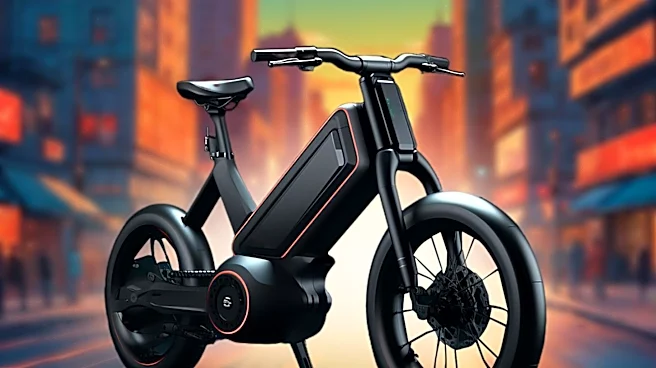
The Eugene Police Department (EPD) has issued a public warning regarding certain high-speed electric bicycles, or 'e-bikes,' that are being marketed and sold but do not meet Oregon's legal definition of an e-bike. These vehicles, often referred to as 'e-motos,'
can reach speeds of 30 to 70 mph or more without requiring the rider to pedal. Under Oregon law, any vehicle capable of exceeding 20 mph using a throttle alone is classified as an electric motorcycle, not an e-bike. This classification means such vehicles are prohibited from being operated on public streets, bicycle lanes, sidewalks, or shared-use paths within Eugene. Legal e-bikes must have functional pedals and cannot exceed 20 mph on throttle power, though some may offer pedal assistance up to 28 mph. The EPD encourages potential buyers to verify that a vehicle complies with Oregon's legal requirements before purchase, suggesting consultation with local bicycle shops. Additionally, Eugene has specific speed limits for shared-use paths: 12 mph when others are present and 20 mph when the rider is alone. The EPD has also implemented a reporting feature on its MyPDConnect system for residents to document complaints about illegal e-moto use, speeding, or reckless e-bike and electric scooter operation.
Why It's Important?
This warning from the Eugene Police Department is important for several reasons, primarily concerning public safety, consumer protection, and regulatory clarity. From a public safety perspective, the operation of high-speed e-motos on infrastructure designed for bicycles and pedestrians poses significant risks of accidents and injuries. The substantial speed difference between legal e-bikes and e-motos, which can reach speeds comparable to traditional motorcycles, creates hazardous conditions for all users of shared public spaces. For consumers, the EPD's advisory highlights a critical issue of misrepresentation in the market, where vehicles are sold as 'e-bikes' but do not conform to legal definitions, potentially leading to unwitting violations of the law. This could result in fines, vehicle impoundment, or other legal consequences for purchasers. Furthermore, the initiative to provide a reporting feature through MyPDConnect signifies a proactive approach by law enforcement to address community concerns and enforce existing regulations, aiming to maintain order and safety on Eugene's streets and paths. This also underscores the evolving challenges that new technologies, like advanced electric mobility devices, present to urban planning and traffic management.
What's Next?
In response to the EPD's warning, several developments are anticipated. Consumers in Eugene and potentially across Oregon will likely become more diligent in verifying the legal classification of electric two-wheelers before purchase, leading to increased inquiries at local bicycle shops and greater scrutiny of online product descriptions. Retailers, particularly those selling high-speed electric vehicles, may face pressure to more accurately label their products and educate customers on legal operating requirements to avoid liability and maintain consumer trust. The EPD's new reporting feature on MyPDConnect is expected to generate data that will help identify specific problem areas and patterns of illegal e-moto use, which could inform future enforcement strategies and resource allocation. This data might also contribute to discussions about potential amendments to existing state or local ordinances to better regulate these emerging forms of transportation. Furthermore, increased public awareness and enforcement could lead to a reduction in the unsafe operation of e-motos on public paths, enhancing safety for pedestrians and legal e-bike riders. The broader conversation around micromobility device regulation is likely to continue, with other cities and states potentially looking to Eugene's approach as a model for addressing similar challenges.
Beyond the Headlines
The EPD's warning about e-motos touches upon deeper implications concerning the rapid evolution of personal transportation technology and the regulatory frameworks struggling to keep pace. The blurring lines between traditional bicycles, electric bicycles, and electric motorcycles highlight a legislative gap that often leaves both consumers and law enforcement in a state of ambiguity. This situation underscores the need for clearer, more adaptive regulations that can effectively categorize and govern new devices as they emerge, ensuring public safety without stifling innovation. Ethically, the issue raises questions about manufacturer responsibility in accurately marketing their products and the potential for deceptive practices that place consumers at risk of legal infractions. Culturally, the rise of high-speed e-motos reflects a growing desire for faster, more efficient personal mobility solutions, particularly in urban environments. However, this desire must be balanced with the collective need for safe and shared public spaces. The EPD's actions could set a precedent for how other municipalities address similar challenges, potentially leading to a more standardized approach to regulating electric micromobility devices across the U.S., fostering a safer and more predictable environment for all road and path users.