





What's Happening?
Ukrainian President Volodymyr Zelenskyy has announced that decisions are being prepared to ensure the safety of maritime food shipments through the Black Sea. These preparations are the result of ongoing diplomatic efforts, including discussions with
Ukraine’s Minister of Foreign Affairs and talks with representatives from Turkey, the United Arab Emirates, and Saudi Arabia. President Zelenskyy expressed gratitude to international partners, particularly Egyptian President Abdel Fattah al-Sisi, for their focus on food security issues in light of Russian attacks on Ukrainian ports. He emphasized the critical importance of safe maritime food shipments for the social security of dozens of countries worldwide and highlighted efforts to prevent a global food crisis, a cost-of-living crisis, and subsequent social unrest.
Why It's Important?
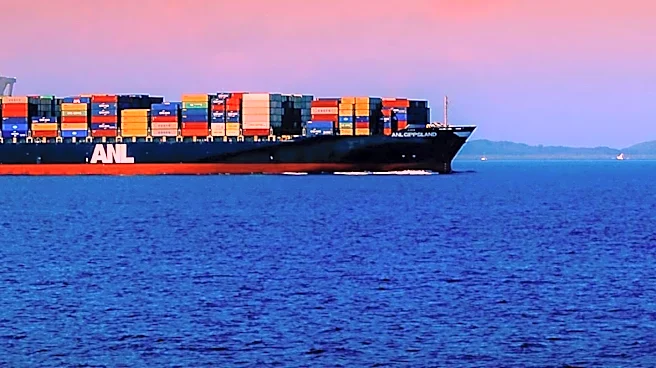
The safety of Black Sea maritime food shipments is crucial for global food security, as Ukraine is a significant exporter of agricultural products. Disruptions to these shipments, particularly due to Russian attacks on Ukrainian ports, have historically led to spikes in global food prices and raised concerns about potential food crises in vulnerable nations. President Zelenskyy's diplomatic initiatives aim to stabilize these vital supply lines, which directly impacts the economic stability and social well-being of numerous countries, especially in the Middle East and North Africa. Ensuring the continuous flow of Ukrainian grain is essential to mitigate inflationary pressures on food prices and prevent widespread social unrest that could arise from food shortages and increased living costs globally.
What's Next?
President Zelenskyy indicated that specific decisions regarding the security of Black Sea food shipments are being prepared, suggesting that concrete measures or agreements may be announced soon. These could involve enhanced security protocols, international monitoring, or new diplomatic arrangements to safeguard vessels. The ongoing dialogue with key international partners like Turkey, the UAE, Saudi Arabia, and Egypt suggests a multilateral approach to finding a sustainable solution. The success of these diplomatic efforts will determine the reliability of Ukraine's maritime export corridors and their ability to consistently supply global markets, thereby influencing international food prices and stability.
Beyond the Headlines
Beyond the immediate concern of food security, President Zelenskyy's diplomatic push highlights the broader geopolitical implications of the conflict in Ukraine. The weaponization of food supply chains has become a significant tool in international relations, impacting not only economic stability but also humanitarian conditions and political alliances. The involvement of Middle Eastern and North African nations underscores the interconnectedness of global food systems and the far-reaching consequences of regional conflicts. This situation also brings to light the challenges of enforcing international agreements and ensuring safe passage in conflict zones, potentially leading to new frameworks for protecting vital trade routes in future global crises.