





What's Happening?
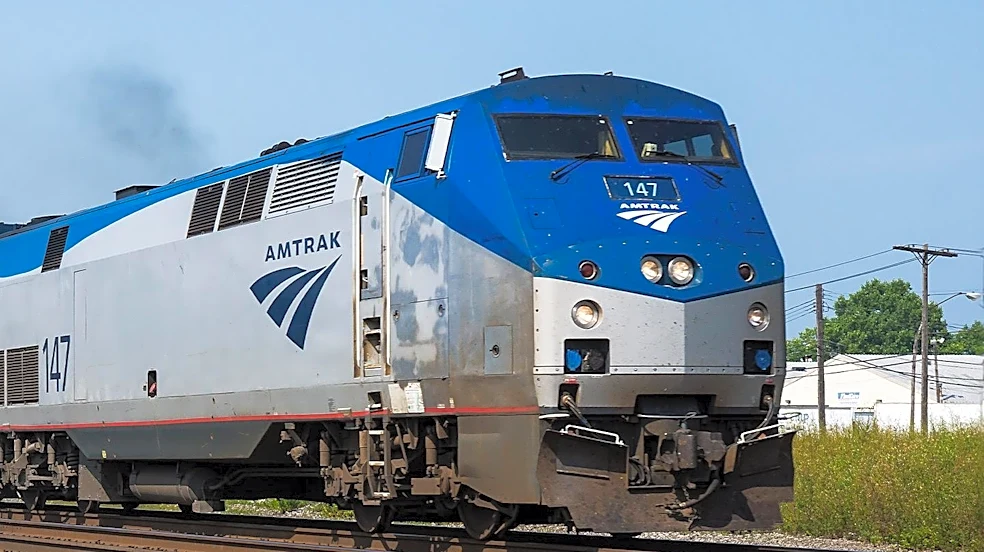
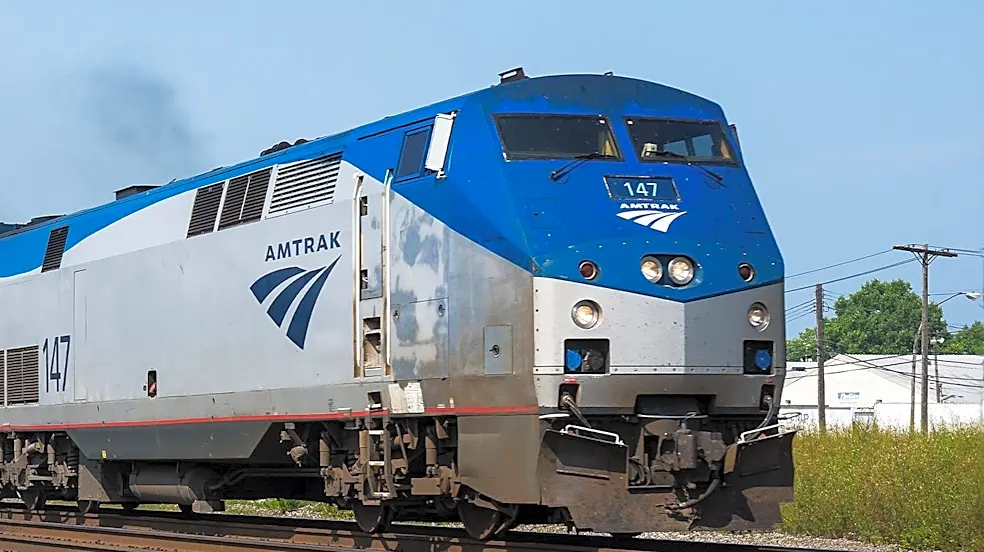
Amtrak provides train services connecting New York City and Boston, offering passengers a choice between Northeast Regional and Acela trains. The average ticket price for this route is $116, with Northeast Regional tickets typically being more affordable
and Acela tickets being more expensive due to their high-speed nature and premium class offerings. The journey duration averages 4 hours and 16 minutes, though Acela trains are faster, completing the trip in approximately 3 hours and 36 minutes, reaching speeds up to 150 mph. Northeast Regional trains make 20 stops, including New Haven, New London, and Providence, while Acela trains have only 5 stops between New York's Penn Station and Boston's South Station. Amtrak allows passengers to bring two personal items, two carry-on bags, and two checked bags for free. Trains arrive at two stations in Boston: Back Bay Station and South Station, with the choice depending on the passenger's final destination.
Why It's Important?
The Amtrak service between New York and Boston is a critical transportation artery for the Northeast Corridor, facilitating business, tourism, and personal travel between two major U.S. cities. The availability of both standard and high-speed options caters to a diverse range of passenger needs, from budget-conscious travelers to those prioritizing speed and luxury. The generous luggage policy makes train travel a convenient alternative to air travel or driving, especially for those with significant baggage. The choice of arrival stations in Boston enhances convenience for passengers, allowing them to select the station closest to their ultimate destination. This robust rail connection supports regional economic activity by enabling efficient movement of people, contributing to the vibrancy of both urban centers.
What's Next?
Amtrak will likely continue to optimize its services on the New York to Boston route, potentially exploring further enhancements in speed, comfort, and connectivity. As demand for sustainable and efficient travel options grows, investment in rail infrastructure and technology could lead to even faster journey times and increased frequency of service. The ongoing competition with other modes of transport, such as buses and airlines, will also influence Amtrak's strategies for pricing and amenities. Future developments might include improved digital services, loyalty programs, or partnerships to offer seamless multi-modal travel experiences, further solidifying Amtrak's role in the Northeast Corridor's transportation network.
Beyond the Headlines
The New York to Boston Amtrak route is more than just a transportation link; it's a cultural and economic lifeline for the Northeast. It connects historical landmarks, educational institutions, and major business hubs, fostering a sense of regional identity and interdependence. The environmental benefits of rail travel, particularly high-speed rail, are also a significant underlying factor, offering a lower-carbon alternative to air and road travel. As urban populations continue to grow and concerns about climate change intensify, the role of efficient and sustainable rail networks like Amtrak's Northeast Corridor will become increasingly vital in shaping future U.S. transportation policy and infrastructure development.