









What's Happening?
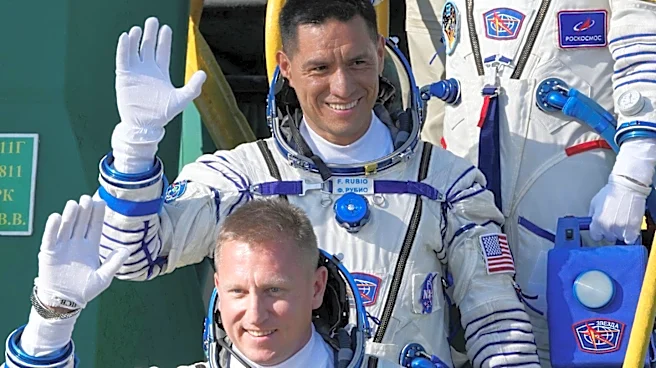
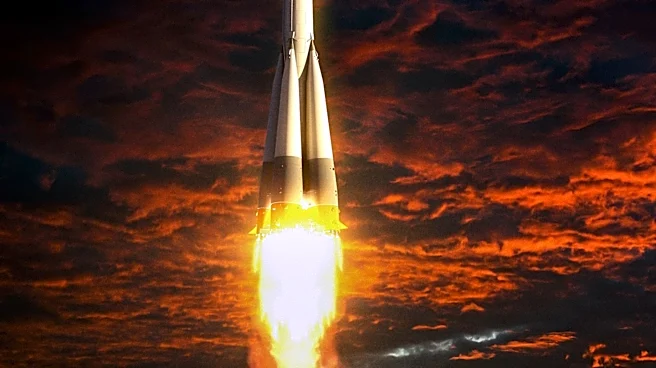
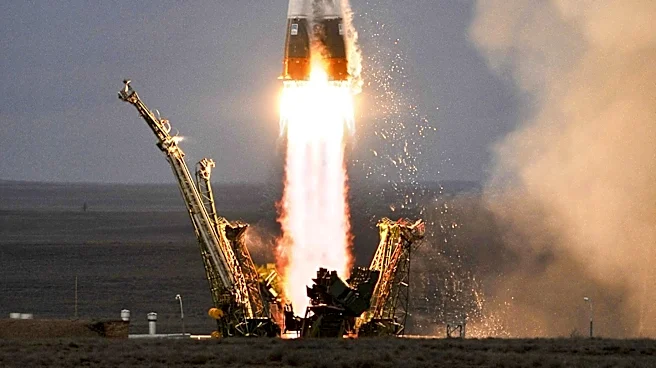
NASA Administrator Jared Isaacman visited the Baikonur cosmodrome in Kazakhstan to attend the launch of a U.S.-Russian crew to the International Space Station. This marks the first visit by a NASA chief to the Russian-leased launch site in eight years.
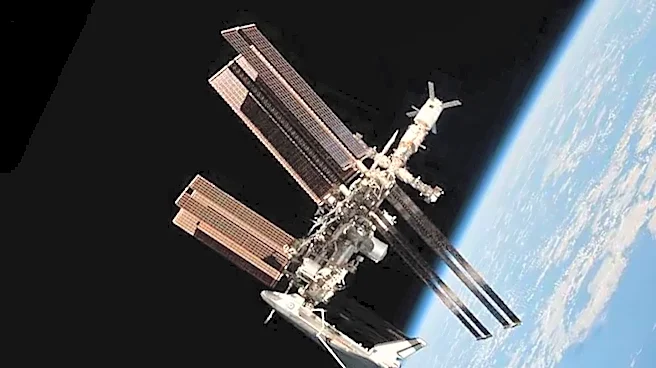
The mission includes NASA astronaut Anil Menon and Russian cosmonauts Pyotr Dubrov and Anna Kikina, who are set for an eight-month stay on the space station. Despite geopolitical tensions following Russia's military actions in Ukraine, the U.S. and Russia continue to collaborate on space missions. Isaacman expressed gratitude to Roscosmos, Russia's state space corporation, for their professionalism and dedication in preparing for the mission.
Why It's Important?
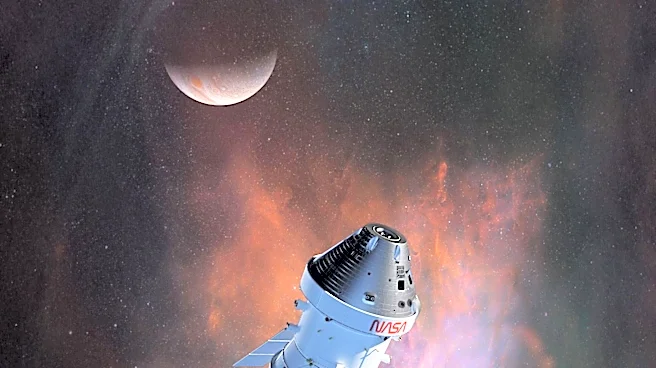
The continued cooperation between NASA and Roscosmos highlights the resilience of scientific and space exploration partnerships despite political tensions. This collaboration is crucial for maintaining the International Space Station's operations, which rely on the expertise and resources of multiple countries. The mission underscores the importance of international partnerships in advancing space exploration and scientific research. However, broader cooperation plans, such as Russia's involvement in NASA's Artemis lunar program, have been affected by geopolitical issues, pushing Russia to seek partnerships with China for future lunar missions.
What's Next?
The successful launch and operation of the current mission will likely reinforce the importance of maintaining diplomatic channels for space collaboration. Future missions may continue under the current framework, but broader cooperation, especially in lunar exploration, may face challenges due to geopolitical dynamics. The evolving relationship between Russia and China in space exploration could also influence future international space collaborations.