


What's Happening?
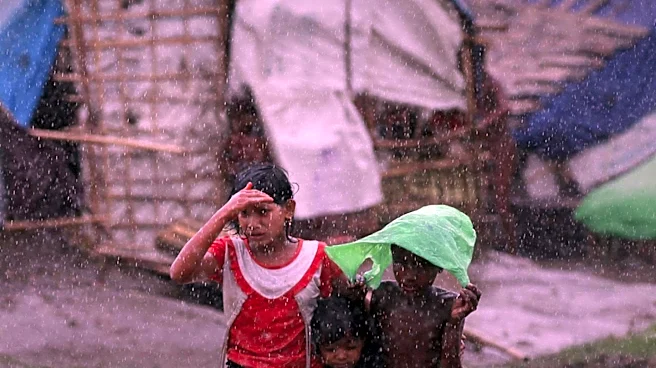
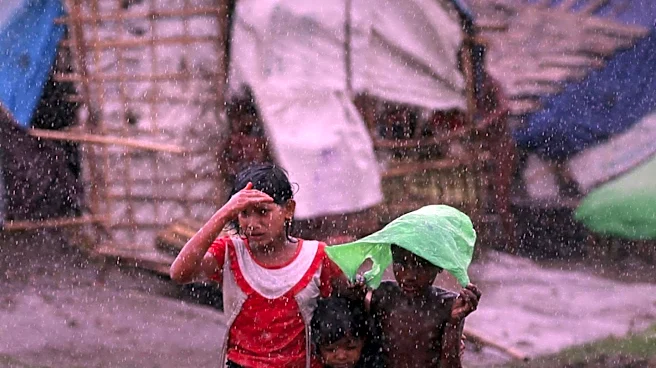
Save the Children has reported that a significant 55% of displaced children are experiencing food shortages after being forced to leave their homes. The organization's findings, released on Wednesday, November 18, also indicate that the health conditions
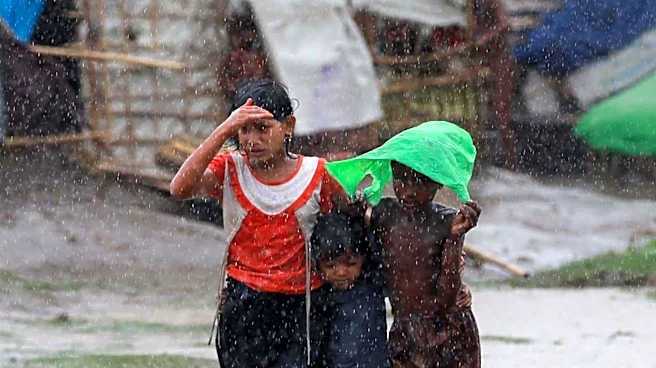
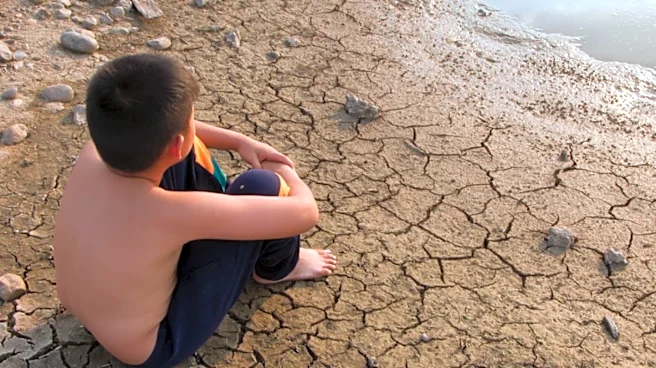
of 41% of these children have deteriorated. This report is based on interviews conducted with over 800 children and caregivers across seven provinces. The study revealed that more than 90% of the children surveyed had experienced displacement or migration. Economic poverty is identified as the primary cause of displacement, with food shortages also being a reason for one-third of families relocating. Additionally, nearly 70% of the children have endured two or more crises, such as droughts, floods, earthquakes, and conflict, over the past three years. Access to education has declined for one-third of these children, and fewer than 10% have received any assistance, highlighting a severe gap in support.
Why It's Important?
This report from Save the Children underscores a critical and widespread humanitarian crisis impacting displaced children. The high percentage of children facing food shortages and deteriorating health conditions points to an urgent need for intervention to prevent further suffering and long-term health consequences. The fact that economic poverty and food scarcity are primary drivers of displacement highlights the systemic vulnerabilities faced by these communities, exacerbated by recurrent natural disasters and conflict. The lack of access to education for a significant portion of these children threatens to create a lost generation, impacting their future prospects and the overall development of their societies. Furthermore, the minimal assistance received by these children indicates a severe shortfall in humanitarian aid, suggesting that current efforts are insufficient to meet the scale of the crisis. Addressing these issues is crucial for the immediate survival and well-being of these children and for fostering stability and recovery in affected regions.
What's Next?
Save the Children's report implicitly calls for increased and sustained humanitarian assistance to address the immediate needs of displaced children, including food, healthcare, and educational support. The organization will likely continue to advocate for greater international attention and funding to bridge the gap between needs and available resources. Efforts will need to focus on providing comprehensive support that not only meets basic survival requirements but also addresses the long-term developmental needs of these children, such as access to quality education and protection from exploitation. Given that economic poverty is a key driver, interventions that support livelihoods and economic stability for displaced families could also be crucial. The report's findings will serve as a basis for Save the Children and other humanitarian organizations to lobby governments and donors for more robust and coordinated responses to the displacement crisis.
Beyond the Headlines
The report's findings reveal a deeper crisis of systemic vulnerability and the compounding effects of multiple adversities on children. The fact that nearly 70% of children have experienced two or more crises in a short period illustrates a cycle of disaster and displacement that is difficult to break. This situation raises profound questions about global responsibility and the effectiveness of current strategies for disaster preparedness, conflict resolution, and poverty alleviation. The minimal assistance received by these children suggests a failure in the international humanitarian system to adequately reach and protect the most vulnerable. Beyond the immediate suffering, the long-term implications include increased social instability, potential for radicalization, and a significant burden on future generations. The report serves as a stark reminder that addressing these complex issues requires not just aid, but also sustainable development initiatives, peace-building efforts, and a renewed commitment to child protection on a global scale.