




What's Happening?
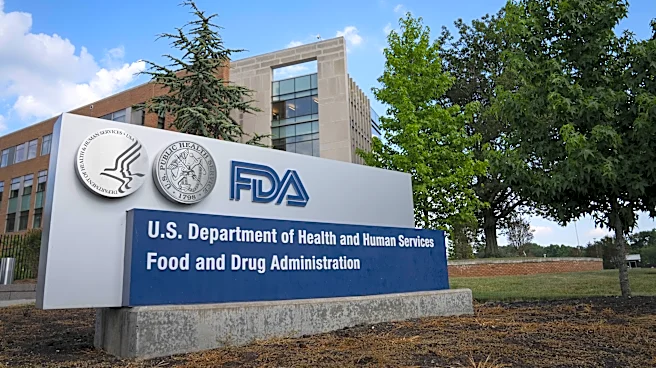
The American Medical Association (AMA) has urged the Department of Health and Human Services (HHS) to revoke its interim policy that permits the compounding of 'wellness' peptides not approved by the FDA. During its interim House of Delegates meeting
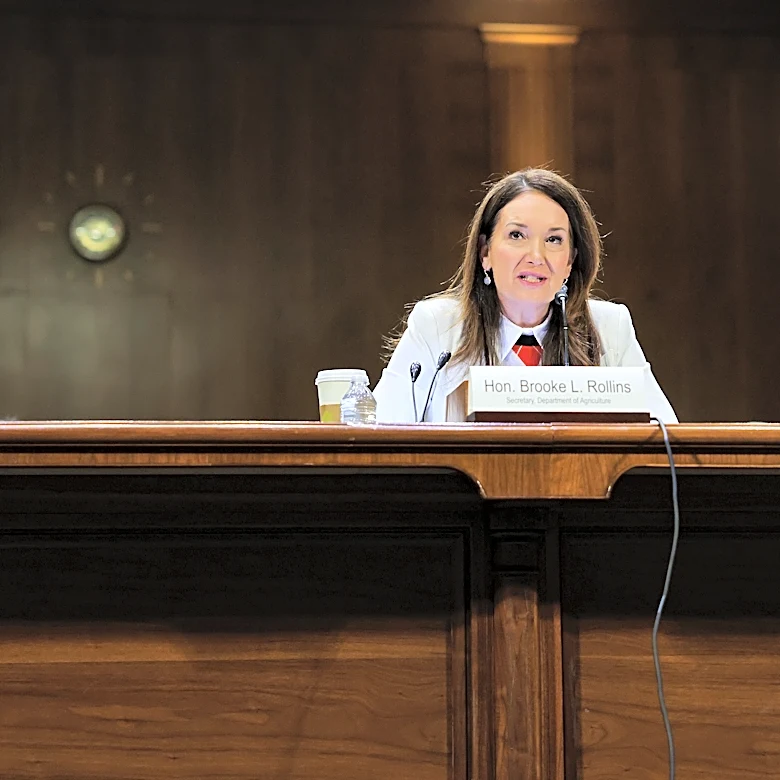
on Tuesday, November 10, the AMA passed a resolution asserting that these peptides lack the necessary safety, efficacy, and quality data for market presence. This move by the AMA highlights concerns within the medical community regarding the unregulated use of such substances. Separately, the Senate Appropriations Committee released a funding bill for the FDA and the Department of Agriculture, potentially paving the way for full-year FDA funding during the lame-duck period or providing a framework for Democrats in the next Congress.
Why It's Important?
The AMA's call to rescind the HHS policy on unapproved 'wellness' peptides is significant for public health and regulatory oversight in the U.S. The widespread availability of compounded peptides without rigorous FDA approval raises concerns about patient safety, potential adverse effects, and the lack of evidence-based efficacy. If the HHS policy remains, it could lead to consumers using unproven treatments, potentially delaying or replacing effective medical interventions. This situation also underscores the ongoing debate about the scope of regulatory authority and the balance between patient access to treatments and the need for scientific validation. For the pharmaceutical industry, this action by the AMA reinforces the importance of established drug approval pathways and could influence future policies regarding compounded medications.
What's Next?
The HHS will now face pressure from the AMA to reconsider its interim policy on 'wellness' peptides. The outcome of this advocacy could lead to a reevaluation of the regulations surrounding compounded drugs and potentially restrict the availability of unapproved peptides. This could involve new guidance or enforcement actions from federal agencies. Meanwhile, the Senate Appropriations Committee's funding bill for the FDA and USDA will proceed through Congress. Its passage would ensure continued funding for the FDA's regulatory activities, including drug approvals and oversight, which is critical for maintaining public health standards. The debate over 'wellness' peptides is likely to continue, involving various stakeholders including medical professionals, compounding pharmacies, and patient advocacy groups.
Beyond the Headlines
The controversy surrounding 'wellness' peptides touches upon broader issues of consumer protection, the limits of medical innovation, and the role of regulatory bodies in a rapidly evolving healthcare landscape. The demand for 'wellness' products often outpaces scientific validation, creating a market for unproven therapies. This situation highlights the challenge of distinguishing between legitimate medical advancements and products that may offer false hope or pose risks. Ethically, the medical community has a responsibility to advocate for evidence-based care, while legally, the FDA and HHS must navigate complex regulations concerning compounded medications. The resolution of this issue could set precedents for how the U.S. government regulates emerging health products and protects consumers from potentially harmful or ineffective treatments.