

What's Happening?
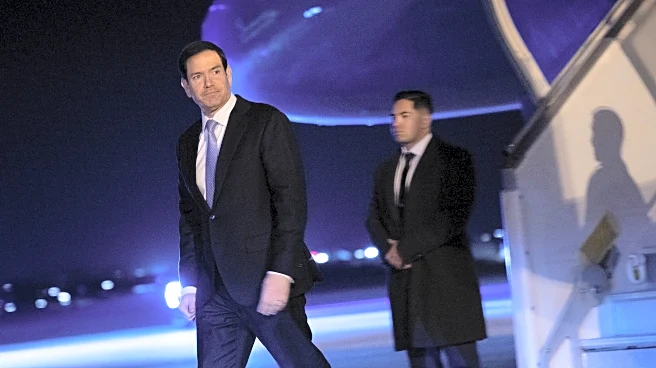
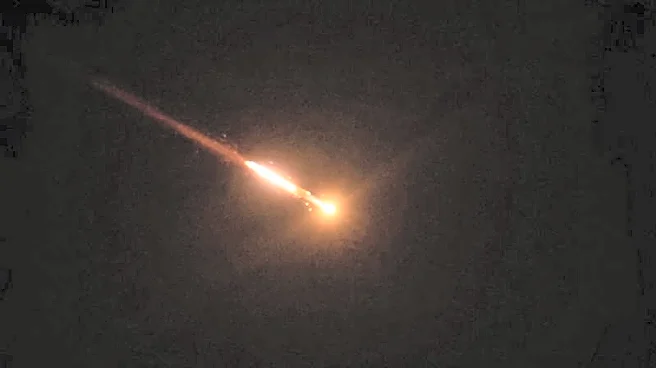
The G7 foreign ministers are meeting in France to address the ongoing tensions between the U.S. and Iran. The discussions are complicated by conflicting reports about the status of negotiations between the two nations. Iran's foreign minister has stated
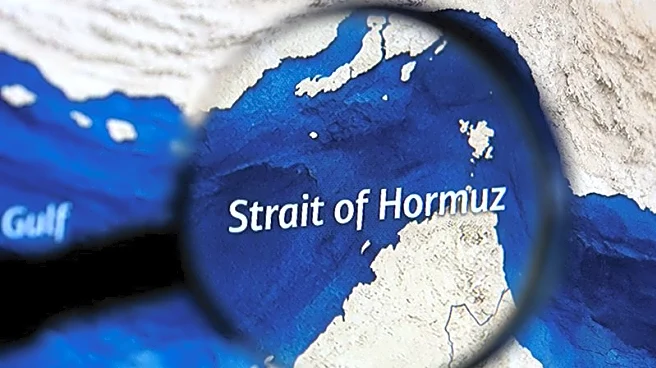
that Tehran is reviewing a U.S. proposal to end the conflict, but has rejected a ceasefire offer, demanding control over the Strait of Hormuz. The G7 aims to promote de-escalation and ensure the security of civilian populations, while also addressing Iran's nuclear and ballistic programs. The meeting occurs against a backdrop of mixed market reactions, with investors trying to navigate the volatile situation.
Why It's Important?
The outcome of the G7 meeting and the U.S.-Iran negotiations could significantly impact global economic stability and security. Control over the Strait of Hormuz is crucial, as it is a vital passage for global oil shipments. Any disruption could lead to increased oil prices and economic instability. The G7's ability to present a unified front is critical in exerting diplomatic pressure on Iran. Additionally, the meeting's results could influence NATO's stance and the broader geopolitical landscape, affecting international relations and trade routes.
What's Next?
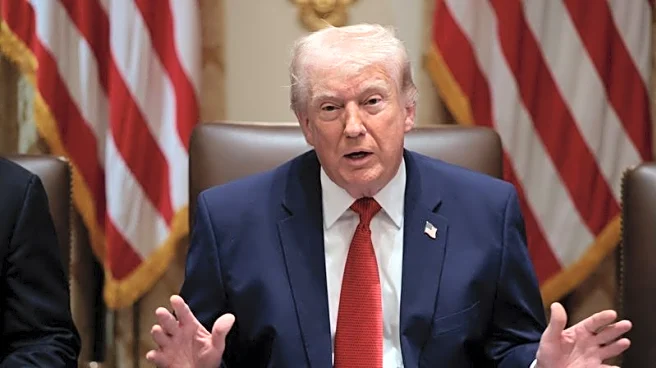
The G7 ministers will continue to seek diplomatic solutions to de-escalate tensions. The upcoming meeting between President Trump and Chinese President Xi Jinping may also play a role in shaping future negotiations. The international community will closely monitor the situation, as any developments could have far-reaching consequences for global trade and security. Investors will remain cautious, as market volatility is expected to persist until a clearer resolution emerges.