






What's Happening?
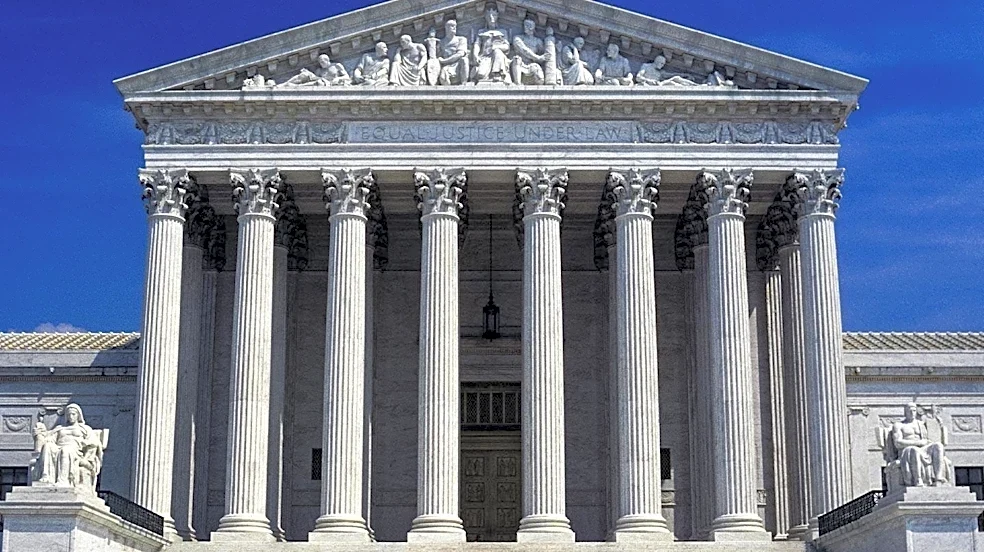
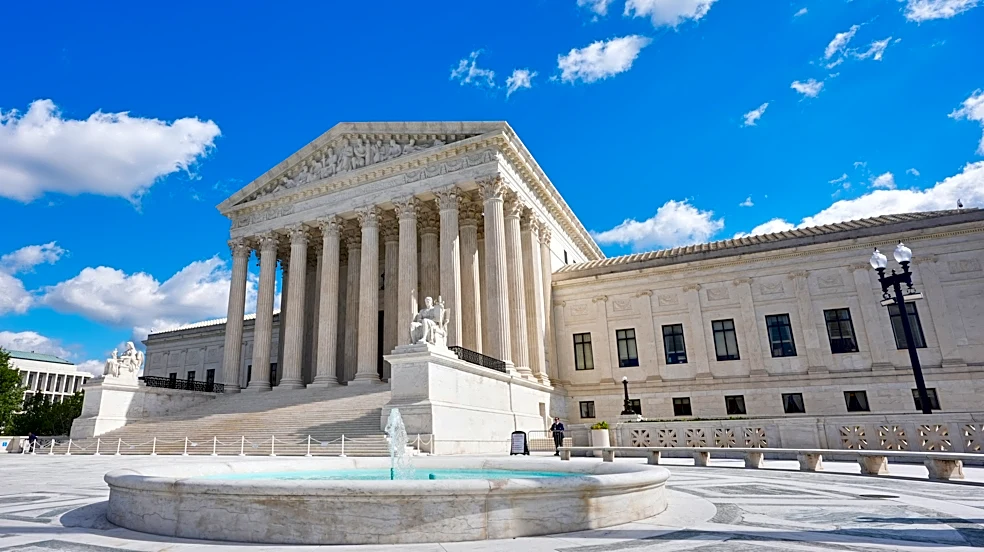
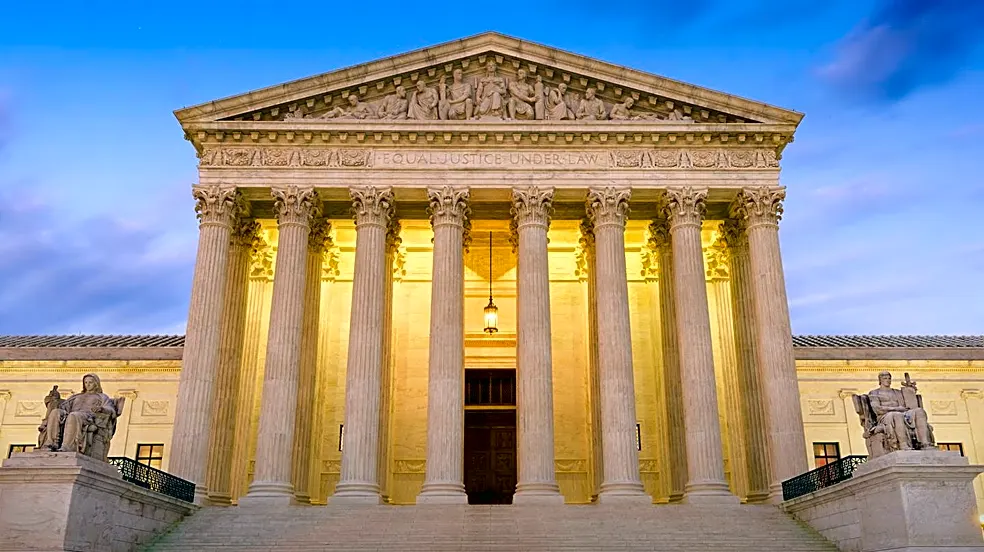
The Supreme Court has reviewed First Amendment challenges concerning laws in Florida and Texas that aim to regulate content moderation practices on social media platforms. The Court vacated and remanded the lower courts' decisions, indicating that the facial
challenges had not adequately assessed the full scope of these laws' applications. This legal action highlights the ongoing tension between the editorial discretion of social media companies, their accountability, and the constitutional protection of expressive activity. The case establishes a framework for evaluating government regulation in this evolving digital landscape, particularly regarding how platforms manage user-generated content and potential restrictions on free speech.
Why It's Important?
This Supreme Court review is crucial for defining the boundaries of free speech on digital platforms and the extent of government authority to regulate online content. The outcome will significantly impact how social media companies operate, potentially altering their content moderation policies and their ability to manage their platforms independently. For users, it could influence the types of content they encounter and the protections they have against censorship or the spread of misinformation. The decision will also set a precedent for future legislation concerning digital media, affecting the balance between platform autonomy, user rights, and governmental oversight in the United States.
What's Next?
The Supreme Court has vacated and remanded the lower courts' decisions, meaning the cases will return to the lower courts for further proceedings. These courts will now need to conduct a more thorough assessment of the laws' full range of applications, taking into account the framework established by the Supreme Court. This process could lead to revised legal arguments, additional evidence, and potentially new rulings that more precisely define the constitutional limits of state-level social media regulation. The ultimate resolution of these cases will likely continue to shape the legal landscape for social media platforms and free speech online for years to come.
Beyond the Headlines
The legal battle over social media content moderation delves into fundamental questions about who controls public discourse in the digital age. It touches upon the ethical responsibilities of platforms to combat harmful content versus the risk of stifling legitimate expression. The Supreme Court's involvement underscores the profound societal implications of these laws, as they could redefine the role of social media companies from neutral conduits to publishers with editorial control, or vice versa. This ongoing debate reflects a broader struggle to adapt traditional legal principles, such as the First Amendment, to the complexities of modern digital communication and its impact on democratic processes and individual liberties.