
What's Happening?
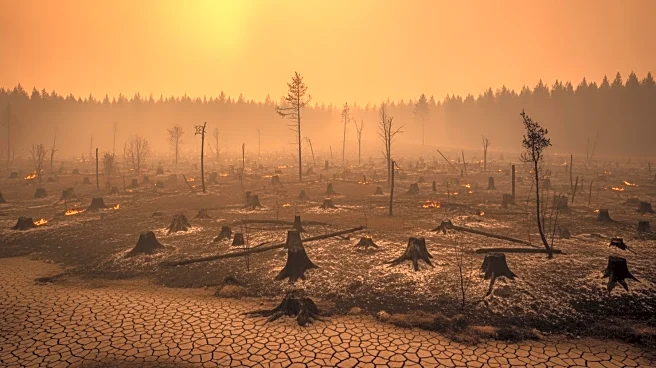
The 2025 wildfires in Southern California, specifically the Palisades and Eaton Fires, have resulted in a significant financial impact, with property values in the Pacific Palisades and Altadena suffering
a combined loss of $8.3 billion. According to a Realtor.com analysis, the Pacific Palisades alone saw a $5.2 billion decrease in property values, while Altadena experienced a $3.1 billion loss. The fires destroyed a substantial number of homes, leading to a dramatic drop in property values and affecting both affluent and working-class communities. Many properties that were bought between 2020 and 2024 and later sold as lots in 2025 went for about 50% less than their pre-fire purchase prices. The rebuilding efforts are complicated by high costs, insurance issues, and the emotional toll on residents, with many choosing not to return.
Why It's Important?
The financial repercussions of the 2025 wildfires highlight the vulnerability of real estate markets to natural disasters, particularly in high-risk areas like Southern California. The significant loss in property values not only affects homeowners but also has broader economic implications, potentially influencing real estate investment patterns and insurance markets. The fires have also exacerbated housing shortages, as many displaced residents struggle to find affordable temporary housing. This situation underscores the need for improved disaster preparedness and response strategies, as well as more robust insurance frameworks to support affected communities. The long-term impact on local economies and community structures could be profound, as rebuilding efforts may take years and alter the demographic and economic landscape of the affected areas.
What's Next?
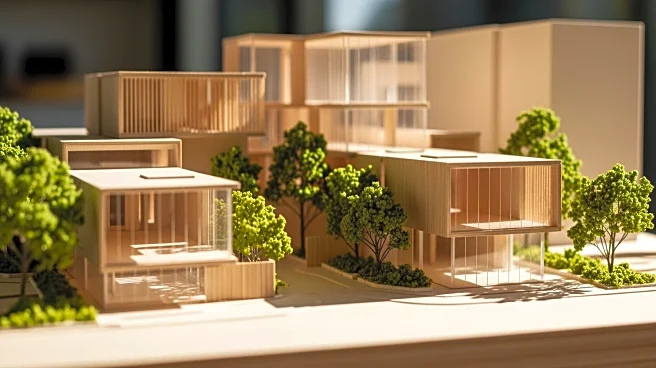
As rebuilding efforts continue, the affected areas are expected to undergo significant changes. The influx of investors purchasing lots at reduced prices may lead to a transformation in the community composition, potentially driving up property values in the long term. However, the immediate future remains uncertain, with many residents still displaced and facing bureaucratic hurdles in rebuilding their homes. The state and local governments are under pressure to expedite permit processes and provide support to affected communities. Additionally, the insurance industry may face increased scrutiny and calls for reform to better address the needs of policyholders in disaster-prone areas. The ongoing recovery efforts will likely shape the future of real estate and community planning in Southern California.