




What's Happening?
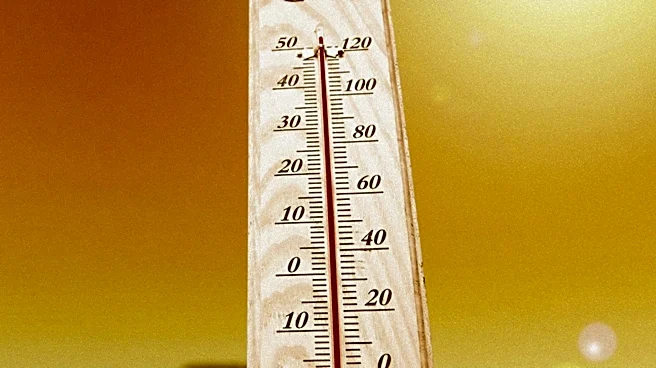
Europe is facing significant economic challenges due to increasingly extreme summers, characterized by frequent heatwaves and wildfires. These conditions have led to substantial costs, business disruptions, and economic strain across various sectors,
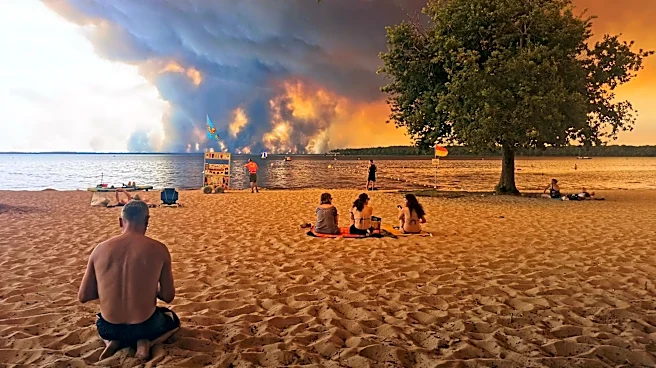
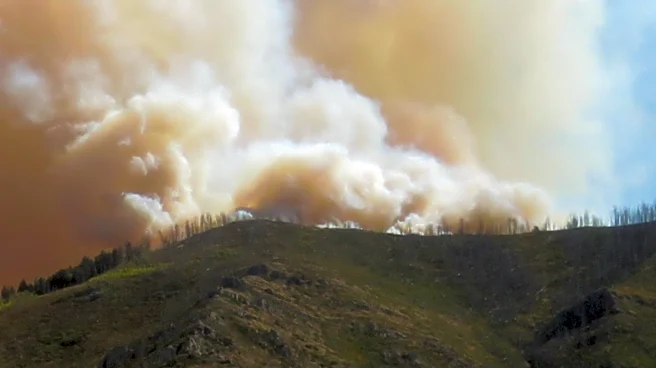
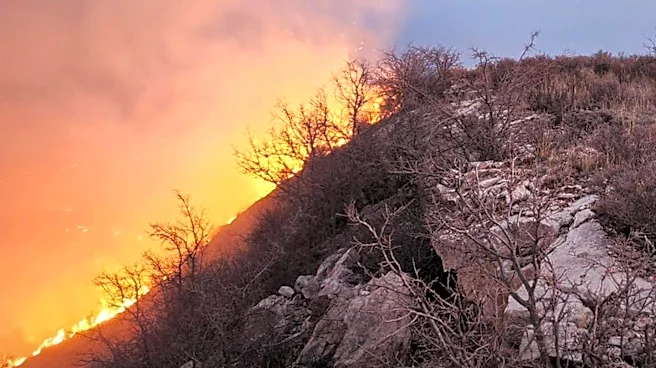
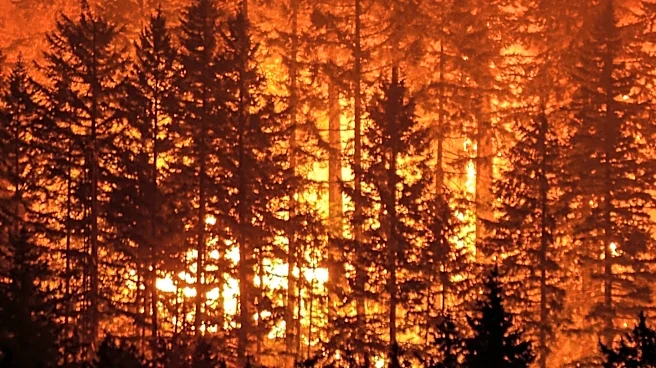
including healthcare, transportation, and agriculture. Recent wildfires in France and Spain have burned 300,000 acres and forced the evacuation of 300,000 people, echoing similar events in Los Angeles. The World Meteorological Organization reported an increase in wildfire potential and an extended fire season in Europe. Economists warn that repeated heatwaves can reduce productivity, disrupt supply chains, and increase food prices, turning summer weather into a recurring macroeconomic risk.
Why It's Important?
The economic impact of extreme weather events in Europe highlights the urgent need for adaptation and mitigation strategies to address climate change. The rising costs associated with heatwaves and wildfires affect multiple sectors, including insurance, agriculture, and public infrastructure, potentially leading to increased inflation and economic instability. The situation underscores the importance of proactive measures to enhance resilience and reduce the speed of climate change. Additionally, the economic strain on European countries could have broader implications for global markets and trade, given Europe's significant role in the global economy.
What's Next?
As Europe continues to experience extreme weather, governments and industries may need to invest in infrastructure improvements, emergency response systems, and sustainable practices to mitigate the impact of future events. Policymakers might also consider implementing stricter environmental regulations and investing in renewable energy sources to reduce carbon emissions. The ongoing situation could prompt international collaboration to address climate change and its economic consequences, potentially influencing global climate policies and agreements.