




What's Happening?
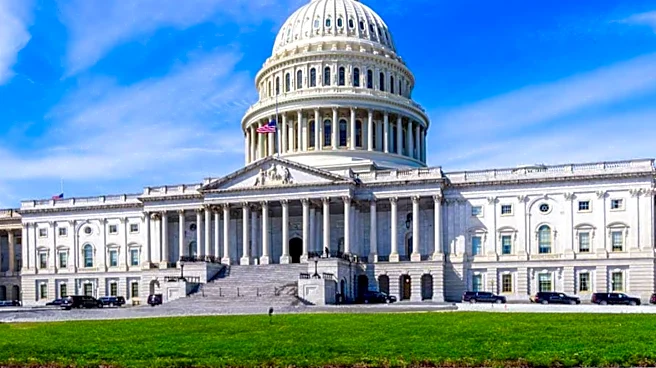
As the U.S. Congress reconvenes for its post-election lame-duck session, major agricultural groups and commodity associations are intensifying their calls for the immediate passage of a modernized, five-year Farm Bill. Organizations, including the National
Corn Growers Association (NCGA), emphasize that escalating operational expenses, softening commodity markets, and prolonged policy uncertainty have left family farms with no financial margin for further legislative delays. NCGA President Matt Frostic stressed the urgency of converting stalled proposals into signed federal law before the current legislative calendar concludes, stating that farmers cannot afford additional delays. The agricultural leadership is pressing both chambers of Congress to overcome partisan divides between the House and Senate Agriculture Committees, highlighting that voters have mandated practical bipartisan governance. They assert that delivering an updated farm safety net is the most urgent economic priority for rural America.
Why It's Important?
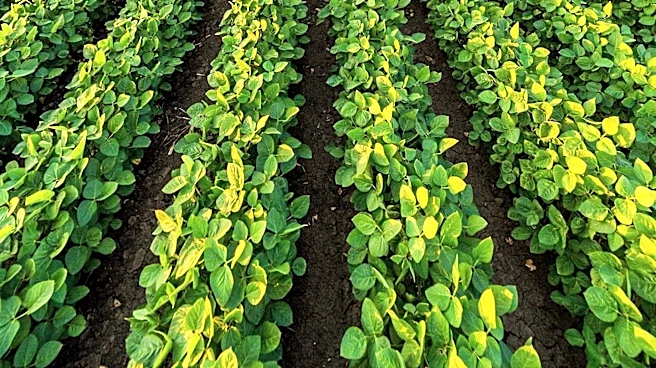
The push for a new Farm Bill is critical for the stability and future of U.S. agriculture. The current economic climate, characterized by rising operational costs and fluctuating commodity prices, directly impacts the financial viability of American farms. A modernized Farm Bill would provide essential safety nets and policy certainty, which are vital for farmers to plan and invest in their operations. Without timely legislative action, many family farms face increased financial strain, potentially leading to reduced production, consolidation within the industry, or even farm closures. This situation affects not only individual farmers but also the broader agricultural supply chain and food security. The call for bipartisan cooperation underscores the recognition that agricultural policy transcends political divides, directly influencing the economic health of rural communities and the nation's food production capacity.
What's Next?
Agricultural groups will continue to lobby Congress during the lame-duck session, urging lawmakers to prioritize the Farm Bill. The focus will be on bridging the partisan gaps between the House and Senate Agriculture Committees to finalize a comprehensive bill. The outcome of these efforts will determine the level of support and stability provided to U.S. farmers for the next five years. If a new Farm Bill is not passed, temporary extensions may continue, prolonging uncertainty and potentially exacerbating financial challenges for producers. The agricultural community will closely monitor legislative developments, advocating for policies that address current economic realities and ensure the long-term sustainability of American agriculture.
Beyond the Headlines
The ongoing struggle to pass a Farm Bill highlights a broader challenge in U.S. policymaking: the difficulty of achieving bipartisan consensus on critical issues. The Farm Bill, which covers everything from crop insurance and conservation programs to food assistance, has far-reaching implications beyond the agricultural sector. Its delay reflects a political environment where legislative priorities often become entangled in broader political maneuvering, even when the economic well-being of a vital industry is at stake. This situation can erode public trust in government's ability to address fundamental needs and can lead to a reactive rather than proactive approach to national challenges. The emphasis on a 'mandate for practical bipartisan governance' suggests a growing desire among stakeholders for political leaders to prioritize tangible outcomes over ideological stalemates.