






What's Happening?
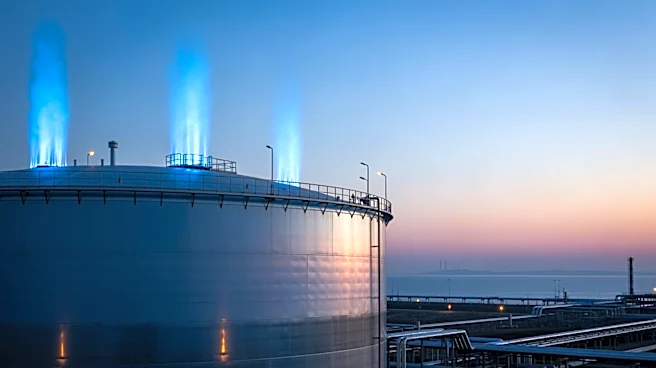
Thailand is actively pursuing additional liquefied natural gas (LNG) supplies from Malaysia due to disruptions caused by the ongoing Middle East conflict. According to Thai energy government officials, the country plans to diversify its LNG supply, which
currently relies on the Middle East for approximately 5% to 10% of its needs. Watcharin Boonyarit, the Energy Ministry's deputy director general of the Energy Policy and Planning Office, stated that discussions are underway with Petronas, Malaysia's state-owned oil and gas company. Thailand's state-controlled energy firm, PTT PCL, is responsible for supply procurement. The country is also seeking additional gas supplies from the Malaysia-Thailand Joint Development Area, a shared resource zone managed by both nations.
Why It's Important?
The move to secure LNG supplies from Malaysia highlights Thailand's strategic efforts to mitigate risks associated with geopolitical tensions in the Middle East. By diversifying its energy sources, Thailand aims to ensure energy security and stability in its domestic market. This development is significant for the U.S. as it underscores the global interconnectedness of energy markets and the potential ripple effects of regional conflicts on global energy supply chains. The U.S. energy sector, particularly companies involved in LNG exports, may find opportunities in supplying alternative markets like Thailand, which is seeking to reduce its dependency on Middle Eastern energy sources.
What's Next?
Thailand's ongoing discussions with Petronas and efforts to secure additional supplies from the Malaysia-Thailand Joint Development Area suggest a proactive approach to energy diversification. If successful, these negotiations could lead to long-term agreements that stabilize Thailand's energy imports. The situation also presents an opportunity for U.S. energy companies to explore partnerships or supply agreements with Thailand as it seeks to diversify its energy sources. Additionally, the outcome of these negotiations may influence regional energy dynamics and trade relationships in Southeast Asia.