









What's Happening?
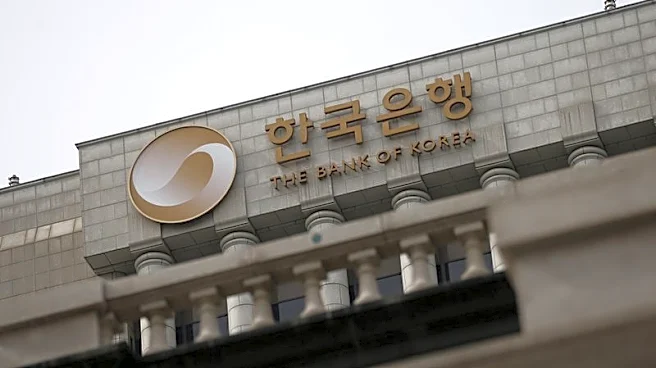
Starting next year, 17 banks in South Korea, including major institutions like KB Kookmin, Shinhan, Hana, Woori, and NH Nonghyup, will be subject to public 'inclusive finance report cards.' This initiative aims to evaluate their performance in providing
financial services to underserved populations. The evaluation will heavily weigh funding supply to medium- and low-credit borrowers and debt restructuring performance, each accounting for 35% of the total score. Other categories include organizational systems for inclusive finance (10%), social considerations such as youth asset formation support (10%), and non-financial services like financial counseling and education (10%). Concurrently, the South Korean government plans to reform how public financial institutions manage long-overdue debts. Under the new policy, if a debt remains unpaid for five years, the institution will assess the borrower’s repayment capacity. If repayment is deemed impossible, collection efforts will cease. Debts overdue for over 15 years will be written off entirely, unless there is evidence of intentional asset concealment. This reform seeks to help individuals without repayment capacity re-engage in economic activities rather than face endless debt collection.
Why It's Important?
While this news directly concerns South Korea, it holds significant implications for the U.S. financial sector and policymakers, particularly in discussions surrounding financial inclusion and debt management. The U.S. faces ongoing challenges with consumer debt, particularly among low-income individuals and those with subprime credit. South Korea's 'inclusive finance report card' system could serve as a model or inspiration for U.S. regulators to encourage more equitable lending practices and better support for vulnerable borrowers. Implementing similar public evaluations in the U.S. could incentivize banks to expand access to credit and financial services for underserved communities, potentially reducing economic disparities. Furthermore, the South Korean government's approach to long-overdue debt, which includes assessing repayment capacity and writing off uncollectible debts, offers a contrasting perspective to current U.S. debt collection practices. In the U.S., debt collection can be a prolonged and often aggressive process, sometimes hindering individuals' ability to recover financially. A shift towards more compassionate and pragmatic debt resolution, as seen in South Korea, could alleviate financial burdens on millions of Americans, foster economic rehabilitation, and potentially reduce the strain on social safety nets. This could also influence U.S. policy debates on bankruptcy reform and consumer protection.
What's Next?
In South Korea, the implementation of the 'inclusive finance report cards' will lead to increased scrutiny of banks' lending and debt restructuring practices. Banks will likely adjust their strategies to improve scores in areas such as lending to medium- and low-credit borrowers and enhancing debt restructuring performance. This could result in more accessible credit for previously underserved populations and more flexible approaches to managing distressed debt. The government's debt reform policy will see public financial institutions begin assessing repayment capacities for debts overdue for five years and writing off debts over 15 years old, which is expected to provide relief to many individuals. For the U.S., while direct adoption of these policies is not immediate, the South Korean initiatives could fuel ongoing discussions among U.S. lawmakers, financial regulators, and consumer advocacy groups regarding best practices in financial inclusion and debt relief. There may be increased calls for similar transparency in bank lending practices and for reforms to U.S. debt collection laws, potentially leading to pilot programs or legislative proposals aimed at improving financial outcomes for vulnerable Americans. The success or challenges of South Korea's new policies will be closely watched as potential benchmarks for future U.S. financial reforms.
Beyond the Headlines
The South Korean initiatives delve into the fundamental societal contract between financial institutions and the public, particularly concerning economic opportunity and second chances. The 'inclusive finance report card' system moves beyond mere regulatory compliance, embedding a social responsibility metric directly into the public perception and operational strategy of banks. This could foster a cultural shift within the banking sector, prioritizing community welfare alongside profitability. For the U.S., where financial inequality is a persistent issue, such a model could spark deeper conversations about the ethical obligations of financial institutions and the role of government in ensuring equitable access to capital. The debt restructuring reforms, particularly the write-off of long-overdue, uncollectible debts, challenge the conventional punitive approach to financial failure. This policy acknowledges that perpetual debt can be a barrier to societal re-integration and economic productivity, suggesting a more rehabilitative philosophy. This could resonate with U.S. debates on the moral dimensions of debt, the impact of financial distress on mental health, and the broader societal benefits of enabling individuals to escape cycles of poverty. It highlights a potential paradigm shift from solely individual accountability to a shared societal responsibility in managing financial hardship, potentially influencing future U.S. policy on consumer debt and bankruptcy.