





What's Happening?
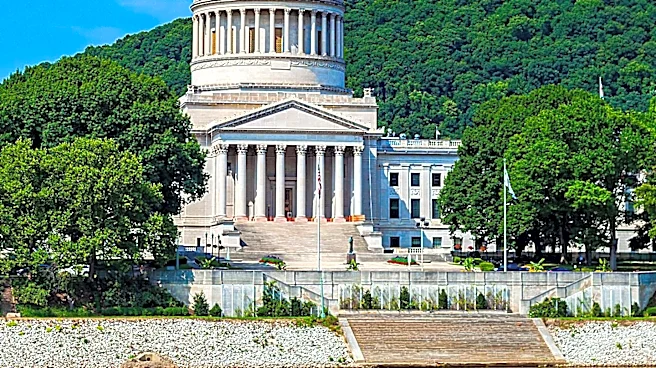
The West Virginia Humanities Council, an affiliate of the National Endowment for the Humanities (NEH), has awarded 27 minigrants to various nonprofit organizations across West Virginia. These grants, each requesting $2,000 or less, are designed to support
a diverse range of projects focusing on history, education, preservation, arts, and culture. The initiatives include digitizing historical records, organizing exhibitions, hosting lectures and workshops, and facilitating community discussions. For instance, projects like the 'Rooted in Place: African American History in Morgantown and Monongalia County Exhibition' by the City of Morgantown Department of Arts & Cultural Development, and the 'American Guerrillas of Mindanao Gone but Not Forgotten' digitization project by the Brooke County Library Foundation, are among the recipients. The West Virginia Humanities Council aims to foster public humanities initiatives throughout the state by providing financial support and programming.
Why It's Important?
These minigrants are crucial for preserving and promoting the rich cultural heritage and educational opportunities within West Virginia. By funding local projects, the West Virginia Humanities Council empowers smaller organizations to undertake initiatives that might otherwise lack financial support. This directly impacts communities by making history and culture more accessible, fostering local pride, and encouraging educational engagement. The grants support a wide array of activities, from documenting local history and preserving historical sites to facilitating discussions on contemporary issues and promoting artistic expression. This investment in humanities projects contributes to the intellectual and cultural vitality of the state, ensuring that diverse stories and traditions are maintained and shared for future generations. It also highlights the ongoing role of state-level humanities councils in distributing federal funds for local impact.
What's Next?
The awarded organizations will now proceed with implementing their respective projects, which are expected to unfold over the coming months. The West Virginia Humanities Council will likely continue to offer guidance and support to these grantees. Future grant cycles will open, allowing other nonprofit organizations to apply for funding for new projects. The success and impact of these current minigrants will inform future funding priorities and program development for the Council. Additionally, the various events, exhibitions, and educational programs resulting from these grants will become accessible to the public, enriching the cultural landscape of West Virginia. The Council will continue to accept applications for various programs, including Collections Stewardship, Scholarly Editions and Translations, and Collaborative Research, as part of its ongoing mission.
Beyond the Headlines
The distribution of these minigrants underscores a broader commitment to grassroots cultural preservation and education, often overlooked in larger national narratives. By focusing on projects requesting smaller amounts, the West Virginia Humanities Council ensures that even niche historical events, local traditions, and community-specific educational needs receive attention. This approach helps democratize access to cultural funding and fosters a sense of ownership and participation at the local level. It also highlights the intricate network of state and federal partnerships, where the National Endowment for the Humanities supports state affiliates to address regional cultural priorities. The long-term impact extends beyond individual projects, contributing to a more informed and culturally aware citizenry, and strengthening community bonds through shared heritage and learning.