



What's Happening?
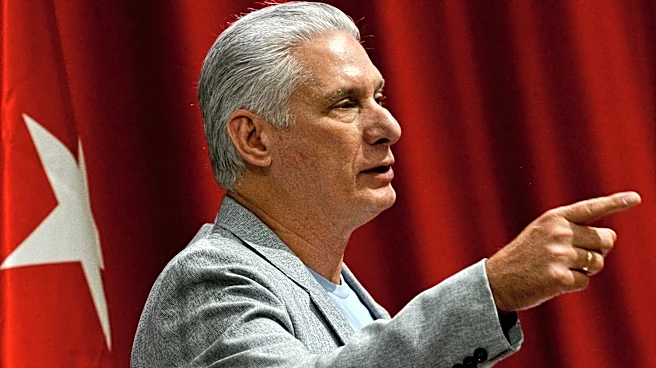
Cuban President Miguel Díaz-Canel has issued a warning to the United States against any military action or attempts to depose him. In an interview on NBC News' Meet the Press, Díaz-Canel stated that an invasion would be costly and impact regional security.
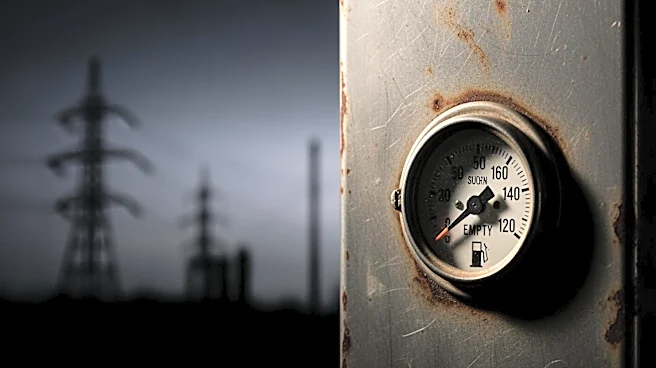
He emphasized that Cuba is prepared to defend itself, even if it means sacrificing lives. The Cuban leader accused the U.S. of maintaining a hostile policy and expressed a willingness to engage in dialogue without preconditions. The U.S. energy blockade has been blamed for exacerbating Cuba's economic difficulties, affecting essential services and the health system.
Why It's Important?
The heightened tensions between Cuba and the U.S. have significant implications for regional security and diplomatic relations. The U.S. blockade has intensified Cuba's economic struggles, impacting the daily lives of its citizens. Díaz-Canel's firm stance reflects the deep-seated mistrust between the two nations and the potential for further conflict if diplomatic solutions are not pursued. The situation also highlights the broader geopolitical challenges in the region, as Cuba seeks to navigate its relationship with the U.S. while addressing its internal issues.
What's Next?
The future of U.S.-Cuba relations will likely depend on the willingness of both sides to engage in meaningful dialogue. Díaz-Canel has expressed openness to discussions, but the path forward remains uncertain given the current U.S. administration's approach. The potential for increased regional instability remains if tensions continue to escalate without diplomatic intervention. Observers will be closely monitoring any changes in U.S. policy or shifts in Cuba's diplomatic strategy.