





What's Happening?
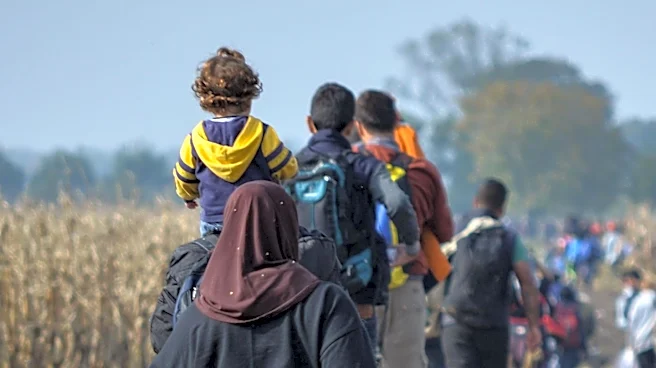
The Scottish Refugee Council, an independent charity, is drawing attention to the significant difficulties faced by individuals seeking refugee protection in the United Kingdom. These individuals have often fled severe conflicts and human rights abuses
in their home countries. Upon arrival in Scotland, they encounter a challenging and often disorienting asylum system. The charity emphasizes that the UK's asylum process is rigorous and can have a substantial impact on both individuals and families. The complexities of settling into a new country and navigating an unfamiliar legal and social framework present considerable hurdles for those seeking safety and a new beginning. The organization provides support to these vulnerable populations, acknowledging the toll the system takes on them.
Why It's Important?
The challenges highlighted by the Scottish Refugee Council underscore broader issues within international and national asylum frameworks. The difficulties faced by asylum seekers in the UK reflect a global trend where individuals fleeing persecution often encounter bureaucratic obstacles and systemic pressures in host countries. This situation impacts not only the well-being of the asylum seekers themselves but also raises questions about the effectiveness and humanitarian aspects of current immigration policies. For the U.S., this perspective offers a comparative lens on how different developed nations manage refugee crises and the potential human cost of stringent asylum processes. Understanding these challenges can inform discussions on U.S. immigration reform and the treatment of asylum seekers at its own borders, particularly concerning the balance between national security and humanitarian obligations.
What's Next?
The ongoing advocacy by organizations like the Scottish Refugee Council suggests a continued push for reforms and greater support for asylum seekers. Future developments may include increased public awareness campaigns, lobbying efforts for policy changes, and the expansion of support services for displaced individuals. Stakeholders, including government bodies, humanitarian organizations, and legal aid groups, will likely continue to engage in dialogue and action aimed at improving the asylum process. The experiences in the UK could serve as a case study for other nations, including the U.S., in evaluating their own systems and considering adjustments to better accommodate and integrate refugees, while also addressing the underlying causes of displacement globally. The focus will remain on ensuring that asylum systems are both secure and humane.
Beyond the Headlines
Beyond the immediate challenges of the asylum system, the experiences of refugees in the UK, as described by the Scottish Refugee Council, touch upon deeper societal and ethical considerations. The process of displacement and resettlement often leads to profound psychological and social impacts, including trauma, isolation, and difficulties in cultural integration. The charity's work implicitly highlights the moral imperative for societies to offer compassion and practical assistance to those in dire need. Furthermore, the narrative points to the potential loss of human capital when skilled and capable individuals are unable to contribute due to systemic barriers. Addressing these issues requires not just policy adjustments but also a shift in public perception and a greater commitment to fostering inclusive communities that recognize the inherent dignity and potential of all individuals, regardless of their origin.