
What's Happening?
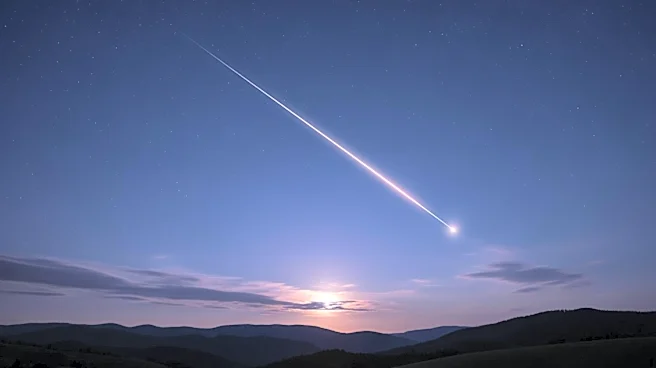
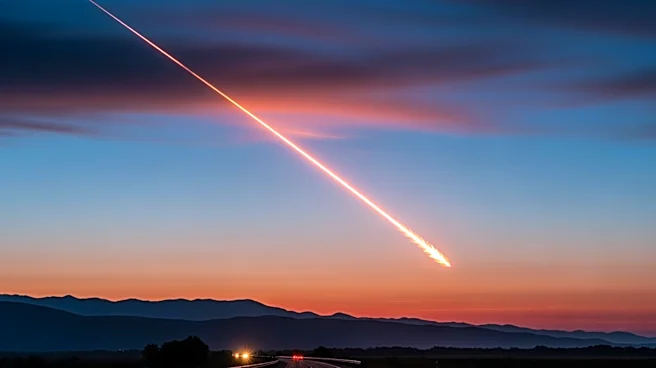
A bright fireball was observed streaking across the skies of Utah early Thursday morning, capturing the attention of drivers and sparking widespread online interest. Jerry Duckworth, one of the first to
capture the event on video, was traveling from Tooele to the Salt Lake Valley when he noticed the unusual sight. Initially mistaking it for a firework, Duckworth reviewed his dashcam footage to find he had recorded the striking flash of light. The footage quickly spread online, with additional clips from other sources, such as a Nest camera in Bluffdale, showing the same phenomenon. Jason Trump, education programs supervisor at the Clark Planetarium in Salt Lake City, explained that the fireball is a type of extremely bright meteor, often referred to as a large shooting star. Utah's dark skies make it an ideal location for observing such celestial events, especially during the 'fireball season' from February through April. While the fireball was widely seen, experts are still determining if any fragments reached the ground.
Why It's Important?
The sighting of the fireball in Utah highlights the state's unique position as a prime location for observing celestial events due to its dark skies. Such events not only captivate the public's imagination but also provide valuable data for scientists studying meteors and their impact on Earth. The occurrence of fireballs can lead to increased interest in astronomy and science education, potentially inspiring future generations of scientists. Additionally, the widespread sharing of the event on social media platforms underscores the role of technology in disseminating information and engaging the public in scientific phenomena. The analysis of the fireball's path and potential fragments could contribute to our understanding of meteors and their behavior upon entering Earth's atmosphere.
What's Next?
Scientists are currently reviewing video and radar data to better understand the fireball's trajectory and determine if any fragments survived the descent. This analysis will help pinpoint potential landing sites and assess the fireball's composition. The findings could provide insights into the materials that make up meteors and their potential impact on Earth. As reports continue to come in, further studies may be conducted to explore the frequency and characteristics of fireballs in Utah and similar regions. The event may also prompt increased public interest in upcoming celestial events, encouraging more people to engage with local planetariums and astronomy clubs.