



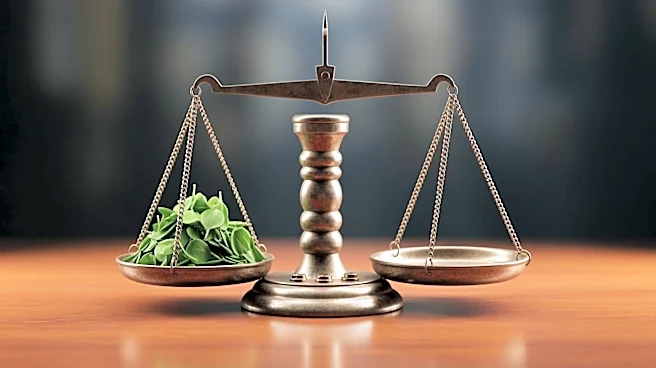

What's Happening?
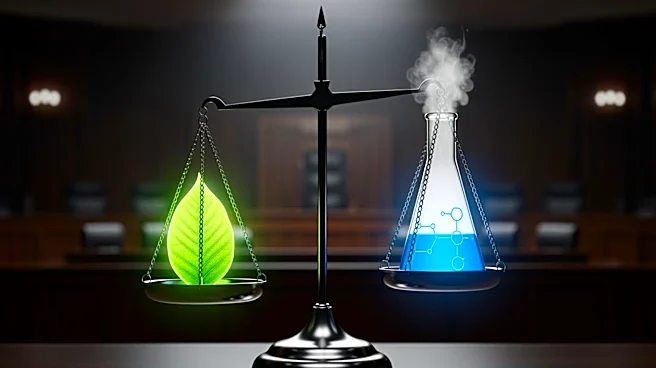
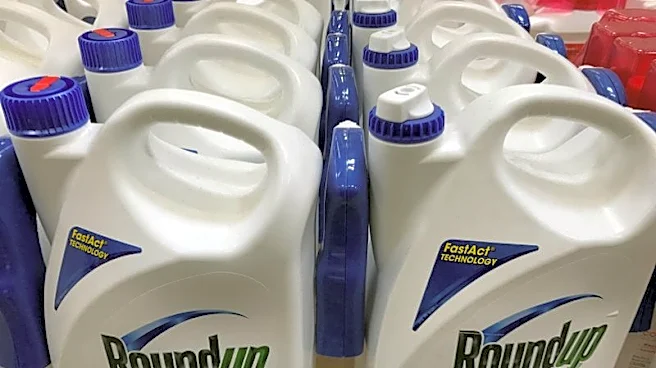
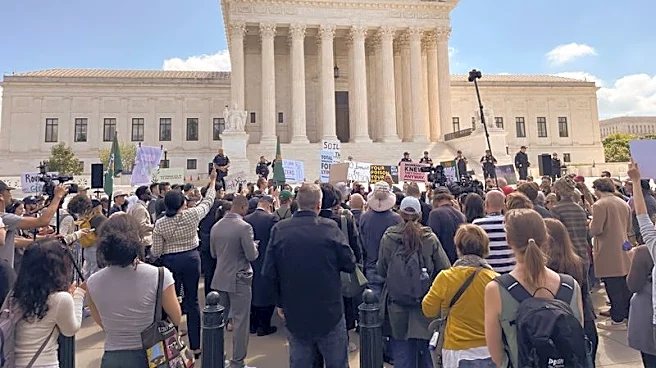
The Supreme Court is deliberating whether to block thousands of lawsuits against Monsanto, the maker of the weedkiller Roundup, which is alleged to cause cancer. The case has arisen after numerous lawsuits resulted in multibillion-dollar verdicts against Monsanto, now
owned by Bayer. The justices are considering whether federal law preempts state lawsuits, as the Environmental Protection Agency (EPA) has found that Roundup is unlikely to cause cancer. However, the World Health Organization's International Agency for Research on Cancer classified glyphosate, Roundup's active ingredient, as 'probably carcinogenic' in 2015.
Why It's Important?
The outcome of this case could have significant implications for product liability litigation and the agricultural industry. A decision to block the lawsuits could protect companies from state-level legal actions, potentially affecting consumer safety and state regulatory powers. Conversely, allowing the lawsuits to proceed could lead to increased scrutiny and regulation of chemical products, impacting the availability and use of glyphosate in agriculture. The case also highlights the tension between federal and state regulations and the role of scientific research in legal decisions.
What's Next?
The Supreme Court is expected to make a decision by the end of June. The ruling could influence future litigation and regulatory practices concerning chemical products. Stakeholders, including environmental groups and agricultural organizations, are closely watching the case, as it could affect the use of glyphosate and other chemicals in farming. The decision may also prompt legislative actions at the state or federal level to address the balance between consumer safety and agricultural needs.