







What's Happening?
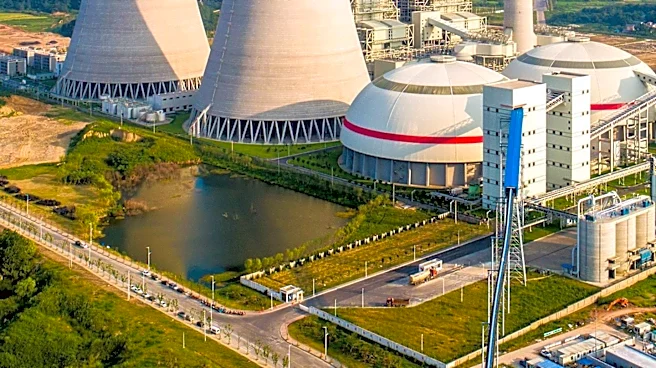
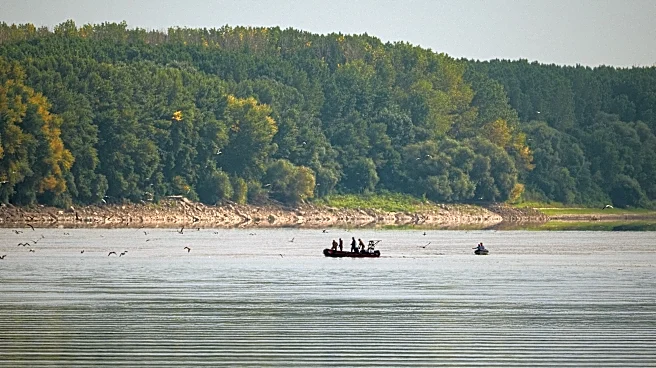
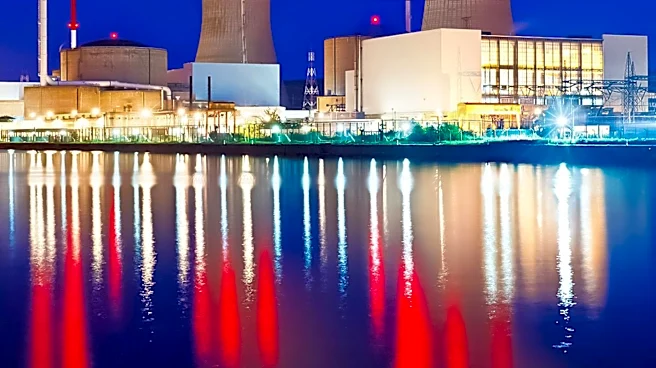
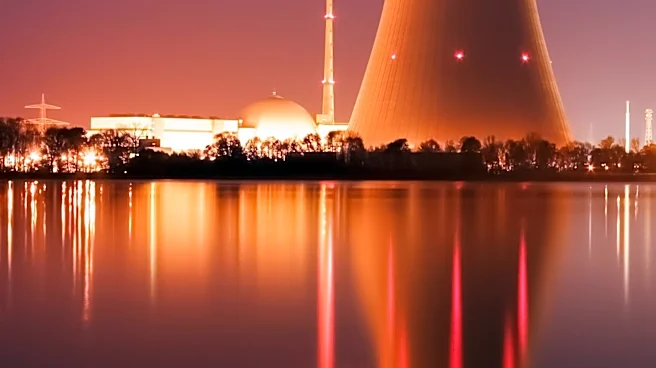
Hungary's only nuclear power plant, Paks, is on the brink of shutdown due to record-low water levels in the Danube River, which is essential for cooling the reactor. The heatwave affecting Europe has led to unprecedented low water levels, threatening
the plant's operation and potentially causing an energy crisis. Hungarian Prime Minister Péter Magyar has warned of the critical situation, as the plant provides nearly half of the country's electricity. Efforts are being made to manage water resources, but the situation remains precarious as temperatures are expected to rise further.
Why It's Important?
The potential shutdown of the Paks nuclear plant highlights the vulnerability of energy infrastructure to climate change-induced weather extremes. This situation underscores the critical role of water in energy production and the broader implications of climate change on energy security. The crisis could lead to significant energy shortages in Hungary and neighboring countries, emphasizing the need for sustainable water management and energy diversification. The event also serves as a warning for other regions reliant on similar infrastructure, prompting discussions on climate resilience and adaptation strategies.
What's Next?
If the plant shuts down, Hungary may face an energy crisis, necessitating increased energy imports or alternative energy sources. The government and energy authorities will likely focus on immediate water management solutions and long-term strategies to mitigate similar risks in the future. This situation may also prompt broader discussions on energy policy and climate adaptation measures across Europe, as countries grapple with the impacts of extreme weather on critical infrastructure.