





What's Happening?
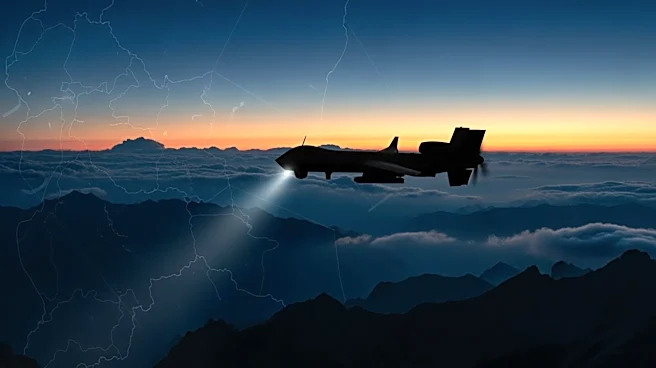
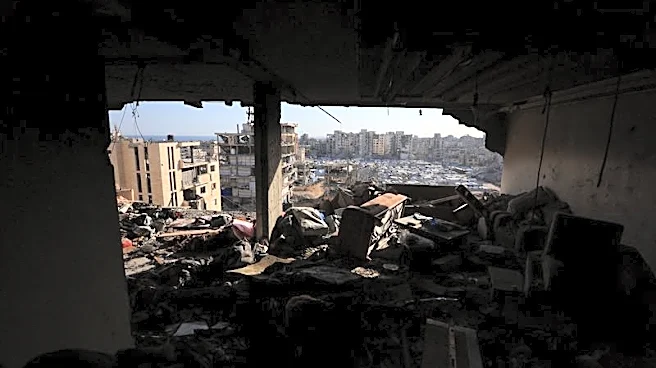
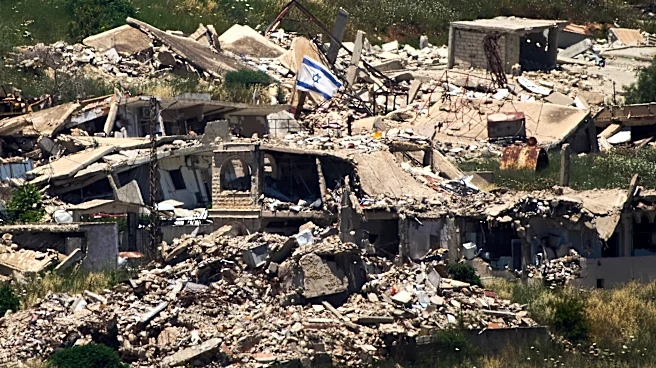
The fragile ceasefire between the United States and Iran is under strain as both nations have launched new attacks, according to a report from Jerusalem. This development comes amid ongoing tensions and a history of conflict between the two countries.
The ceasefire, which was intended to de-escalate hostilities, is now being tested, raising concerns about the potential for further military engagement. The situation is part of a broader geopolitical struggle involving regional and international stakeholders, with implications for global security and diplomatic relations.
Why It's Important?
The testing of the ceasefire between the U.S. and Iran is significant as it highlights the persistent volatility in Middle Eastern geopolitics. This development could impact global oil markets, given the region's critical role in energy production. Additionally, it poses challenges for U.S. foreign policy, potentially affecting diplomatic efforts and military strategies in the region. The situation also has implications for international relations, as other countries may be drawn into the conflict or pressured to take sides, influencing global alliances and security dynamics.
What's Next?
If the ceasefire continues to be violated, there could be an escalation in military actions, leading to increased instability in the region. This may prompt responses from international bodies such as the United Nations, which could call for renewed diplomatic efforts to restore peace. The U.S. government may also face pressure to reassess its strategy in the Middle East, balancing military readiness with diplomatic engagement. Additionally, regional allies and adversaries will likely monitor the situation closely, potentially adjusting their own policies and actions in response.