




What's Happening?
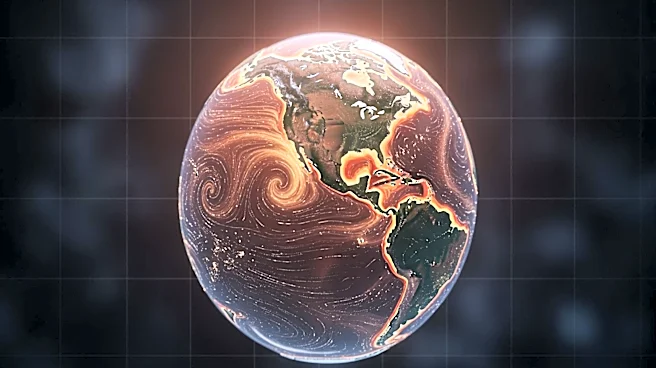
The National Oceanic and Atmospheric Administration (NOAA) has forecasted a below-normal Atlantic hurricane season for 2026, largely influenced by the emergence of El Niño. This natural climate pattern, which occurs irregularly every two to seven years,
involves significant warming of sea surface temperatures in the central and eastern tropical Pacific Ocean. El Niño is known to disrupt typical weather patterns globally, often resulting in reduced hurricane activity in the Atlantic. NOAA predicts up to 14 named storms with winds of 39 mph or higher, of which three to six may become hurricanes, and one to three could strengthen into major hurricanes. Despite the quieter outlook, experts emphasize the importance of preparation, as storms that do form can still pose significant threats, particularly to inland areas like eastern Georgia.
Why It's Important?
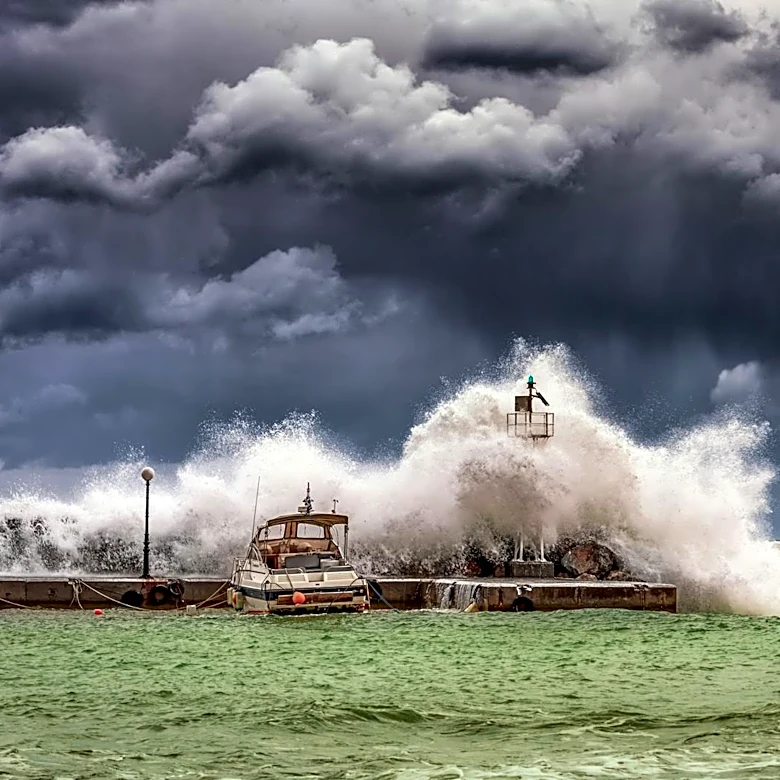
The forecast of a below-normal hurricane season is significant for regions prone to tropical storms, as it suggests a potentially reduced risk of severe weather events. However, the importance of preparation remains critical, as even a single storm can cause substantial damage. The influence of El Niño highlights the complex interplay between natural climate patterns and weather phenomena, underscoring the need for ongoing monitoring and readiness. Warmer ocean temperatures, linked to human-caused climate change, continue to contribute to stronger storms and increased rainfall, making preparedness essential regardless of the seasonal outlook. This forecast impacts emergency management strategies, insurance industries, and public safety planning across the U.S.
What's Next?
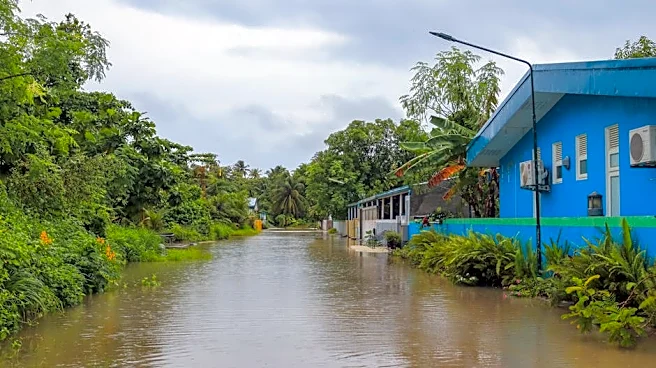
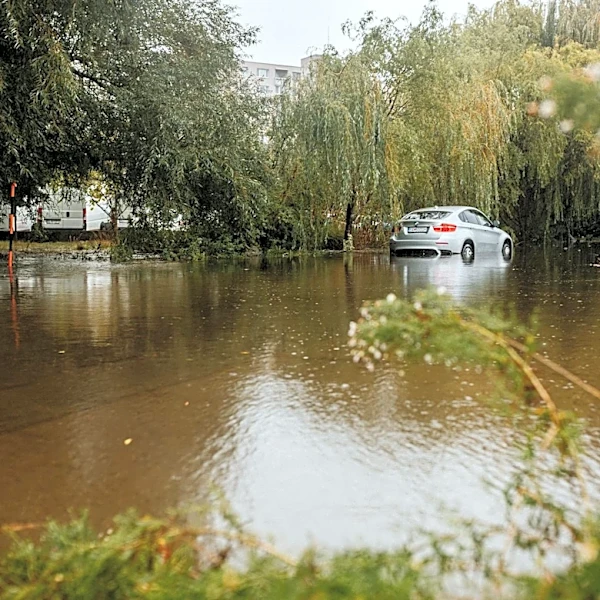
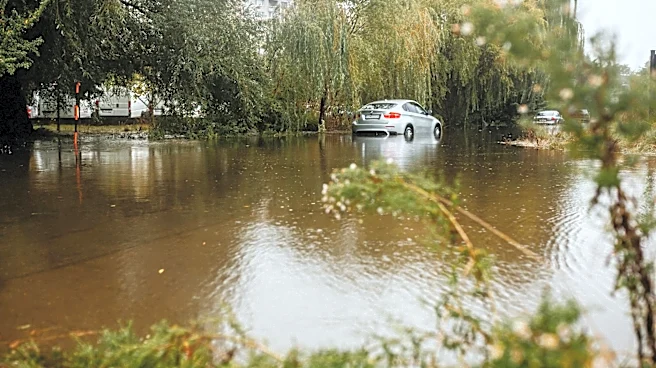
Residents in hurricane-prone areas are advised to review and update their emergency plans and supplies. NOAA's forecast serves as a reminder for communities to remain vigilant and prepared for potential storms. Emergency management agencies will likely continue to emphasize the importance of readiness, particularly in inland areas that may experience heavy rain and flooding. The ongoing monitoring of El Niño's development and its effects on weather patterns will be crucial in adjusting forecasts and preparedness measures throughout the hurricane season.