






What's Happening?
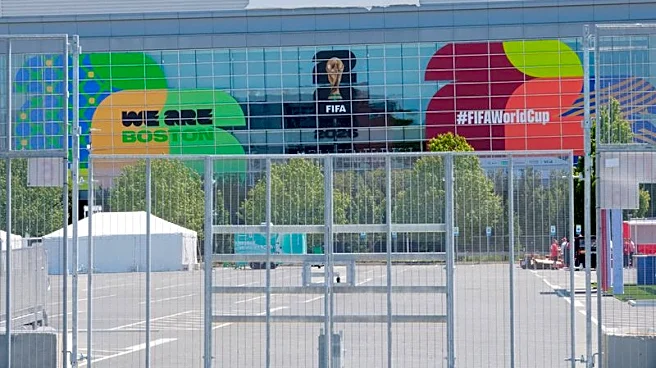
As the largest FIFA World Cup in history kicks off, health officials are on high alert for infectious diseases. The tournament, spanning 16 cities across the United States, Canada, and Mexico, presents a unique challenge for public health systems. While
the risk of Ebola transmission is considered low, experts are more concerned about highly contagious diseases like measles and respiratory viruses, including COVID-19 and influenza. U.S. cities are enhancing surveillance and hospital coordination to detect and respond to potential outbreaks during the event.
Why It's Important?
The World Cup's scale and international nature increase the risk of disease spread, particularly for highly contagious viruses. The U.S. recently experienced its highest number of measles cases in decades, partly due to declining vaccination rates. The event tests the readiness of public health systems to manage potential outbreaks and protect public safety. Effective disease monitoring and response strategies are crucial to prevent widespread transmission and ensure the safety of participants and spectators.
What's Next?
Public health officials will continue to monitor and respond to potential disease threats throughout the World Cup. Enhanced entry measures are in place for travelers from regions affected by the Ebola outbreak, and local health departments are prepared to manage any cases that arise. The tournament will serve as a critical test of public health infrastructure and the ability to manage large-scale international events safely.