





What's Happening?
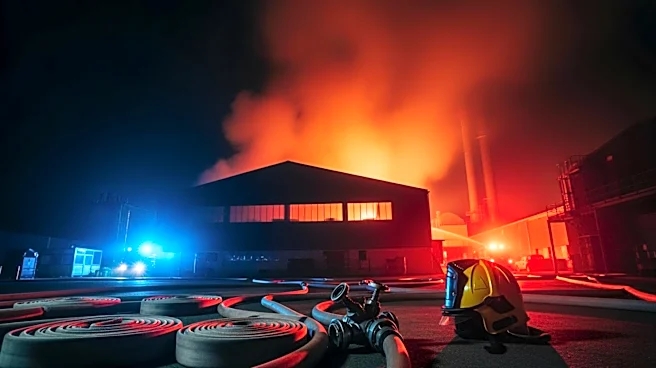
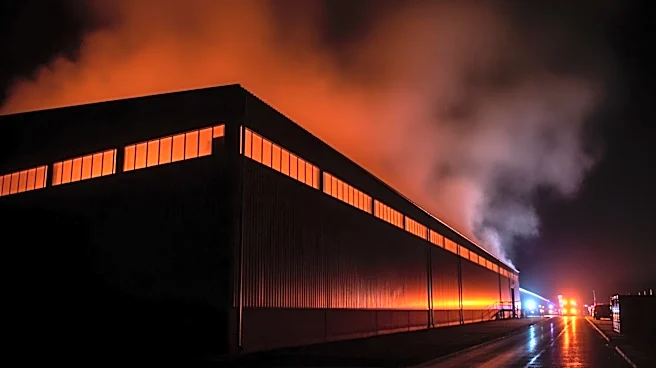
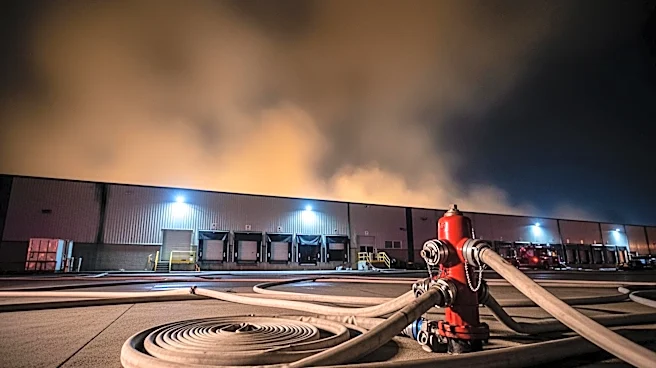
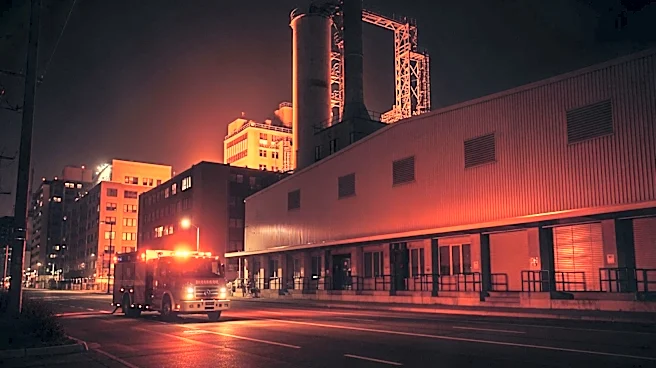
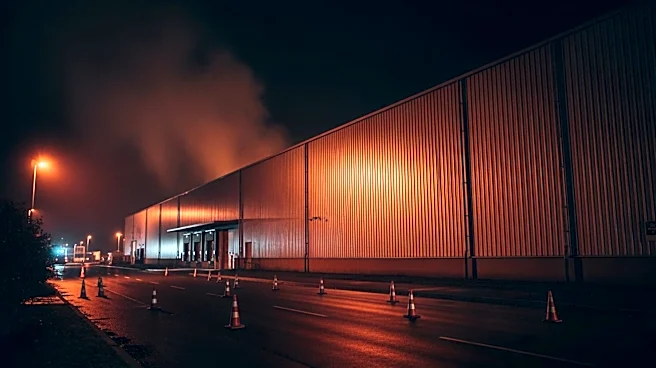
The Los Angeles Fire Department (LAFD) is engaged in a prolonged effort to extinguish a complex fire at a warehouse in Boyle Heights, Los Angeles. The fire, which began on June 17, has been exacerbated by the presence of ammonia and toxic smoke, leading
to a state of emergency declaration by California Governor Gavin Newsom. The blaze originated from a solar-panel array on the roof of a 500,000-square-foot cold-storage facility. Firefighters have managed to contain the fire to one side of the building, but the presence of hazardous materials, including ammonia, has complicated efforts. The fire has resulted in significant smoke pollution, prompting the opening of smoke relief centers for affected residents. The LAFD is also tasked with the biohazard challenge of removing approximately 85 million pounds of rotted food from the facility.
Why It's Important?
The ongoing fire in Boyle Heights poses significant health and environmental risks due to the release of toxic smoke and ammonia fumes. The situation has disrupted daily life for local residents, who have been advised to shelter in place. The emergency declaration allows for expedited state assistance, highlighting the severity of the incident. The fire's impact on air quality has raised concerns about long-term health effects for residents, particularly those with pre-existing conditions. The incident underscores the challenges of managing industrial fires in urban areas and the importance of emergency preparedness and response capabilities.
What's Next?
Efforts to fully extinguish the fire and address the biohazard challenges are expected to continue for several weeks. The state of emergency declaration will facilitate the provision of additional resources and support to the affected community. Authorities will need to monitor air quality and provide ongoing support to residents, including the distribution of masks and air purifiers. The incident may prompt a review of safety protocols and regulations for facilities handling hazardous materials to prevent similar occurrences in the future.