



What's Happening?
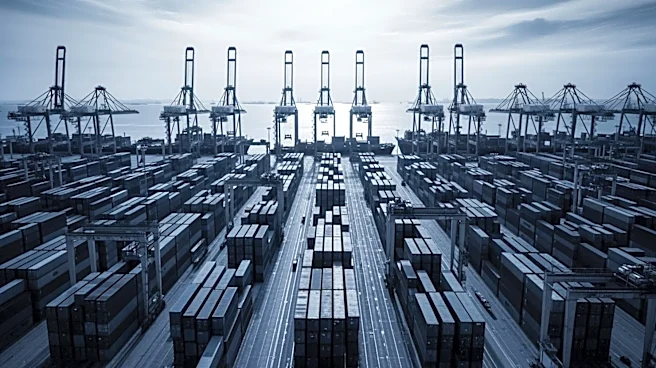
Aid organizations are facing significant challenges in delivering food and medicine to millions due to the ongoing conflict in the Middle East. The war has disrupted key shipping routes, including the Strait of Hormuz, leading to increased transport costs
and delays. The World Food Program reports substantial delays in food shipments, while the International Rescue Committee has pharmaceuticals stranded in Dubai. The United Nations describes this as the most severe supply chain disruption since the COVID-19 pandemic, with costs rising by up to 20%. Aid groups are forced to find alternative, more expensive routes, which further complicates their operations.
Why It's Important?
The disruption of supply chains due to the Middle East conflict has far-reaching implications for global humanitarian efforts. With increased costs and delays, aid organizations must prioritize their resources, potentially leaving some regions without necessary supplies. This situation exacerbates existing challenges, such as acute food insecurity in countries like Sudan and Somalia. The conflict also threatens to deepen the global hunger crisis, with the World Food Program warning that prolonged disruptions could leave an additional 45 million people acutely hungry. The situation highlights the need for increased international funding and support to address these rising costs and ensure aid reaches those in need.
What's Next?
If the conflict continues, aid organizations will need to secure additional funding to cope with rising costs and find alternative routes for delivering supplies. The United Nations has established a task force to facilitate fertilizer trade, but aid groups warn that more comprehensive solutions are necessary. Governments may need to reassess their funding priorities to balance defense and humanitarian aid. The U.S. has announced additional emergency assistance to Lebanon, but broader international cooperation will be crucial to mitigate the impact of the conflict on global aid efforts.
Beyond the Headlines
The ongoing conflict in the Middle East not only affects immediate humanitarian needs but also poses long-term challenges for global supply chains. The disruption of key shipping routes could lead to lasting changes in how goods are transported globally, potentially increasing costs permanently. Additionally, the conflict underscores the vulnerability of global supply chains to geopolitical events, highlighting the need for more resilient systems. The situation also raises ethical questions about the prioritization of defense spending over humanitarian aid in times of crisis.