



What's Happening?
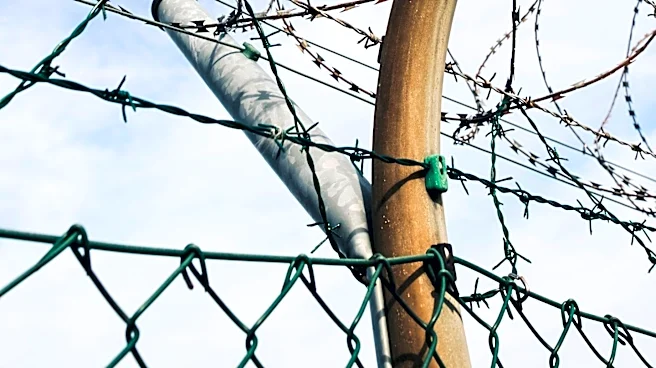
A business owner in downtown Albuquerque, Dana Benjamin, has installed barbed wire around her photography studio following multiple break-ins and what she describes as delayed police response. The incidents began on October 6 when an individual, later
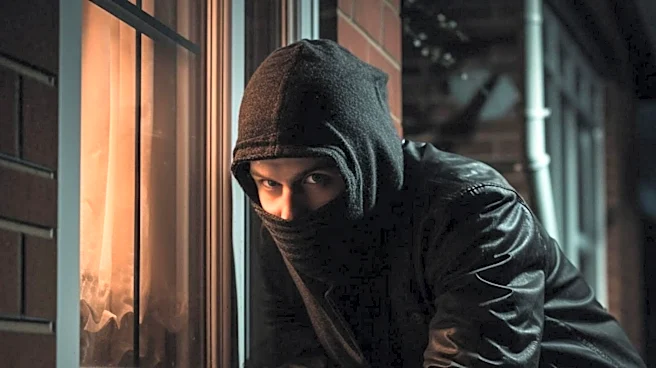
identified as Stephen Shoffner, allegedly buzzed her buzzer, climbed her fence, broke into a truck on her property, and spent the night. Benjamin's cameras captured the man at her front window the following morning. Shoffner was subsequently arrested and charged with criminal damage to property, marking his third arrest in less than a month. Benjamin reported that Shoffner returned to her property two days after his release from jail, and police took several hours to respond to her call. She has since obtained a restraining order against him. The situation highlights growing concerns among downtown business owners regarding property crime and the effectiveness of current law enforcement and city programs.
Why It's Important?
This incident underscores the challenges faced by small business owners in urban areas regarding security and the perceived efficacy of local law enforcement. The decision by a business owner to resort to extreme measures like barbed wire reflects a sense of vulnerability and a lack of confidence in existing protective systems. It also brings to light the broader issue of repeat offenders and the effectiveness of the justice system in deterring crime. The slow police response reported by Benjamin can erode public trust and encourage business owners to take matters into their own hands, potentially leading to further complications or safety concerns. The situation also implicitly questions the impact of city initiatives aimed at addressing low-level crimes and homelessness, particularly when individuals with prior felony charges may still be involved in such incidents.
What's Next?
Stephen Shoffner, the individual involved in the break-ins, has multiple active arrest warrants for missing court appearances and violating release conditions, with a bench trial scheduled for the upcoming week. This trial will determine the immediate legal consequences for Shoffner. Meanwhile, the city of Albuquerque's Metro Court has implemented a program since July to connect individuals charged with certain low-level crimes to services, aiming to divert them from deeper involvement in the court system. Albuquerque City Attorney Joshua Boone stated that a previous felony charge could disqualify Shoffner from this program, though eligibility is reviewed case by case. Business owners like Benjamin are calling for more proactive measures from the city to protect downtown establishments, suggesting a potential for increased dialogue between the business community and city officials regarding public safety strategies.
Beyond the Headlines
The installation of barbed wire by a downtown Albuquerque business owner symbolizes a deeper societal tension between property rights, public safety, and approaches to criminal justice reform. While the city's program aims to address underlying issues like homelessness by connecting individuals to services, the immediate impact on business security remains a critical concern. This scenario highlights the complex interplay between law enforcement response times, judicial processes, and social support systems. The visible security measures like barbed wire can also contribute to a perception of urban decay, potentially deterring investment and foot traffic in downtown areas. The incident prompts a broader discussion on whether current strategies effectively balance rehabilitation with the need to protect citizens and businesses from repeat offenses, and how communities can foster a sense of safety without resorting to measures that may alter the urban landscape.