

What's Happening?
States that rely on the Colorado River have failed to meet a deadline for establishing new guidelines for water sharing, as negotiations remain deadlocked. The river, which is crucial for nearly 40 million people across seven states, is experiencing reduced
flow due to climate change. The impasse centers on disagreements between the Upper Basin states (Colorado, Utah, Wyoming, and New Mexico) and the Lower Basin states (Arizona, California, and Nevada) over who should bear the brunt of water cutbacks. The Upper Basin states argue they already face natural variability in water supply, while the Lower Basin states have agreed to some reductions but demand more equitable sharing of the burden.
Why It's Important?
The Colorado River is a critical water source for millions of people and supports significant agricultural and economic activities in the region. The failure to reach an agreement on water allocation threatens to exacerbate water scarcity issues, impacting urban water supplies, agriculture, and ecosystems. The potential for federal intervention and subsequent legal disputes could delay effective water management solutions, further stressing the river's already limited resources. This situation highlights the challenges of managing shared natural resources amid climate change and underscores the need for collaborative and sustainable water management strategies.
What's Next?
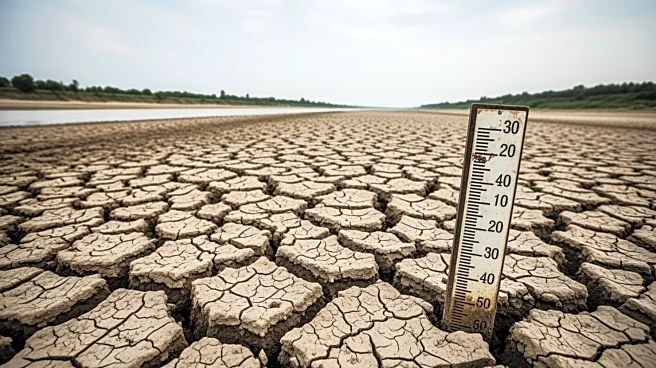
If the states cannot agree on a water management plan, the federal government may impose its own regulations, likely leading to significant cuts for the Lower Basin states. This could trigger lawsuits and a prolonged legal battle, potentially reaching the Supreme Court. Meanwhile, the states must continue negotiations to avoid federal intervention and find a mutually agreeable solution. The urgency of the situation is compounded by ongoing drought conditions, which threaten to further deplete the river's reservoirs. Stakeholders, including state governments, agricultural interests, and environmental groups, will need to collaborate to develop a sustainable water management framework that addresses the needs of all parties involved.