






What's Happening?
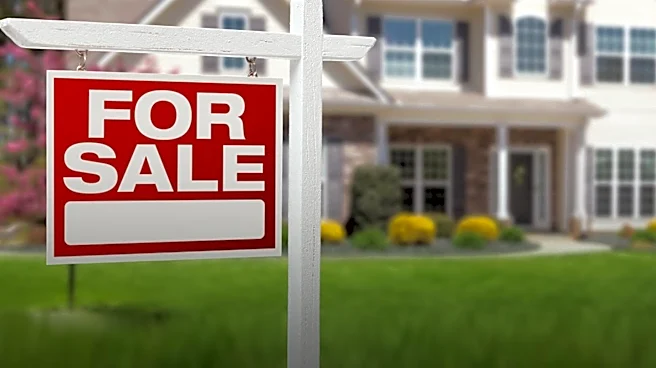
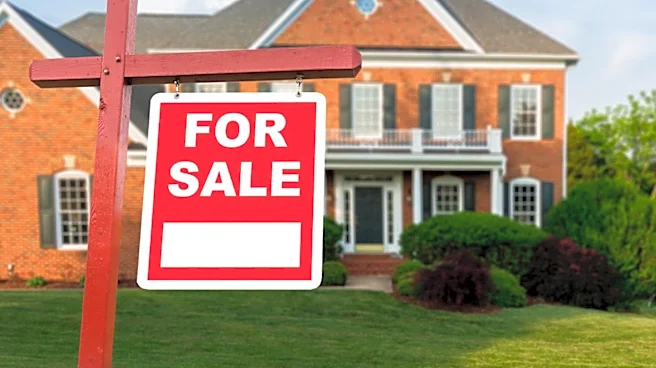
A new study suggests that America's homeownership crisis is more severe than official statistics indicate. While the Census Bureau reports that 65% of U.S. homes are owner-occupied, only about 53% of American adults actually own the homes they live in.
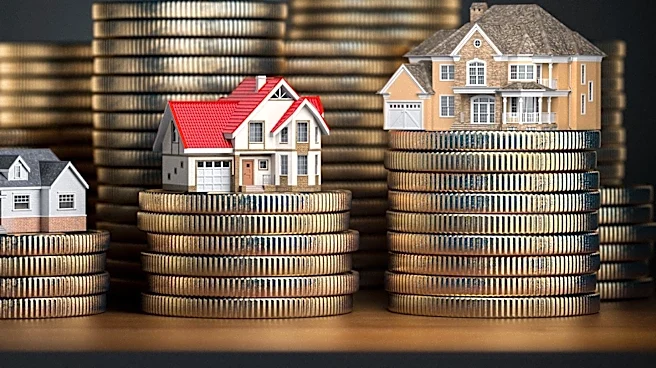
This discrepancy arises because the traditional measure does not account for adults living in owner-occupied homes without owning them, such as adult children or roommates. The study proposes a new metric, Homeownership-to-Population (HPOP), to better reflect individual ownership. The crisis is exacerbated by high housing costs, with the median age of first-time homebuyers rising and home prices reaching record highs.
Why It's Important?
The findings highlight the growing challenge of homeownership in the U.S., particularly for younger generations. As housing affordability declines, fewer Americans can achieve the financial stability and wealth-building opportunities that homeownership provides. This situation underscores the need for policy interventions to address housing supply shortages and affordability issues. The study's insights could influence future housing policies and initiatives aimed at making homeownership more accessible.
What's Next?
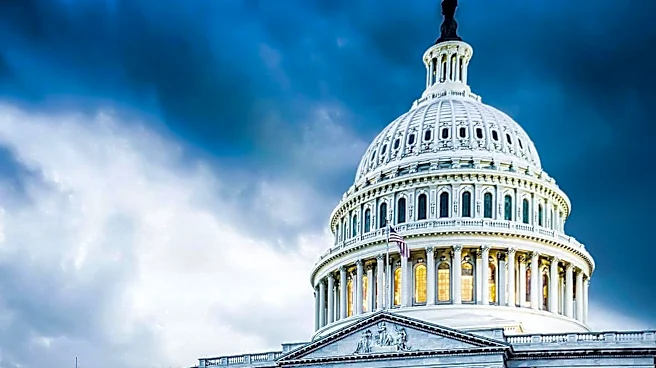
In response to the crisis, Congress has passed the 21st Century ROAD to Housing Act, aimed at reducing regulatory barriers to home construction and encouraging zoning reforms. While this legislation is a step towards addressing the housing shortage, experts caution that significant relief will take time. Continued efforts to increase housing supply and affordability are essential to reversing the trend and making homeownership attainable for more Americans.