






What's Happening?
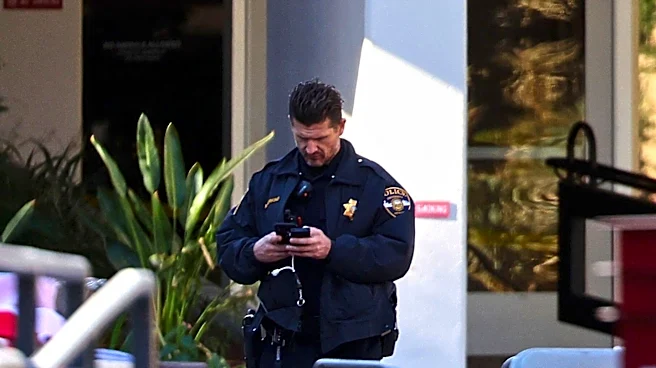
During a recent listening session, members of the public in Madison questioned the utility and effectiveness of body-worn cameras for police officers. The city plans to purchase enough cameras to equip all patrol officers and public-facing police by summer,
as part of next year's budget. A new workgroup of city alders is tasked with developing policy recommendations for the program, aiming for a full city council vote in early January. While some attendees supported the cameras as a transparency tool, many expressed concerns that the technology could be misused, potentially leading to increased surveillance, charge stacking against civilians, and hefty fees for footage requests. Opponents also doubted the cameras' ability to reduce police misconduct or increase public trust, citing a lack of convincing statistics from other communities.
Why It's Important?
The public's skepticism regarding body-worn cameras highlights a significant challenge in implementing new policing technologies: balancing transparency and accountability with concerns about privacy, surveillance, and cost-effectiveness. This debate is crucial for Madison as it moves towards citywide deployment, as public trust is essential for the success of such initiatives. The questions raised about the measurable impact of body-worn cameras on reducing misconduct and improving public relations underscore the need for clear metrics and evaluation frameworks. The discussion also reflects broader national conversations about police reform and the role of technology in shaping law enforcement practices and community relations.
What's Next?
The workgroup of city alders will continue its busy schedule of meetings to finalize policy recommendations for the body-worn camera program. These recommendations will then be presented to the full city council for a vote in early January. Public input, particularly on the budget process, remains critical, with Alder John Guequierre encouraging residents to comment on the inclusion of body-worn cameras in the capital and operating budgets during the Common Council meeting in early November. The workgroup also plans to study the Madison Police Department’s deadly use of force and de-escalation policies, indicating a broader review of policing practices.
Beyond the Headlines
The debate over body-worn cameras in Madison touches upon deeper philosophical questions about the nature of surveillance, civil liberties, and the social contract between citizens and law enforcement. The concerns about potential misuse and the lack of clear evidence of effectiveness in other cities suggest that technology alone cannot solve complex issues of police accountability and public trust. This situation prompts a re-evaluation of what truly constitutes 'success' in policing and whether resources might be better allocated to alternative approaches, such as community care, housing, healthcare, and education, as suggested by some public commenters. It underscores the importance of a holistic approach to public safety that addresses root causes of crime and distrust, rather than solely relying on technological solutions.