





What's Happening?
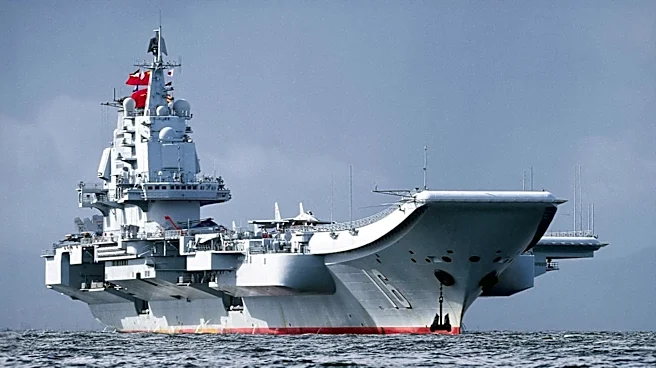
The Stockholm International Peace Research Institute (SIPRI) has identified China as one of the world's top five largest arms exporting countries. This places China alongside the United States, Germany, France, and Russia in terms of global weapons sales.
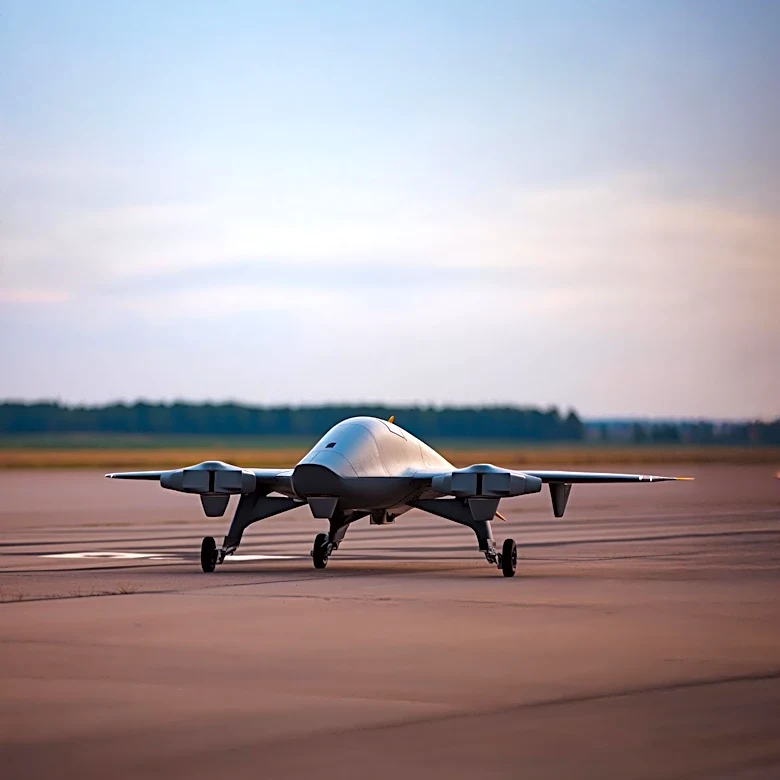
SIPRI's annual report on global weapons sales provides comprehensive data and analysis on international arms transfers. The report indicates that Chinese military hardware, including missile systems and advanced fighter aircraft like the J-35 stealth fighter, is drawing buyers, particularly in regions such as the Middle East. This rise in China's arms exports reflects its growing defense industry capabilities and its increasing role in the international arms market.
Why It's Important?
China's emergence as a top-five global arms exporter, as reported by SIPRI, has significant implications for international security and U.S. foreign policy. For the U.S., this development means increased competition in the global arms market, potentially affecting the market share of U.S. defense contractors. More broadly, the proliferation of Chinese military technology can alter regional power balances, particularly in areas where the U.S. has strategic interests. The availability of advanced Chinese weaponry to a wider range of countries could complicate regional conflicts and potentially challenge U.S. military superiority in certain contexts. This trend also raises concerns about arms control and the potential for destabilizing military buildups. The U.S. government will need to closely monitor China's arms export policies and their impact on global security, potentially adjusting its own defense cooperation and diplomatic strategies to address these evolving dynamics.
What's Next?
China is likely to continue expanding its presence in the global arms market, leveraging its growing technological capabilities and competitive pricing. This could lead to further diversification of arms suppliers for many nations, potentially reducing their reliance on traditional Western sources. The U.S. and its allies will likely intensify efforts to counter China's influence in the arms trade through diplomatic engagement, security assistance programs, and promoting their own defense technologies. There may also be increased scrutiny of the end-use of Chinese-exported weapons and their potential impact on human rights and regional stability. The long-term trend suggests a more competitive and complex international arms market, requiring continuous adaptation from all major players, including the U.S. defense industry and policymakers.
Beyond the Headlines
Beyond the economic and military aspects, China's rise as a major arms exporter, as detailed by SIPRI, carries deeper geopolitical implications. It signifies China's growing influence as a global power, extending its strategic reach and forging new alliances through defense cooperation. This trend challenges the traditional dominance of Western arms suppliers and reflects a shift towards a more multipolar international order. The ethical considerations of arms sales, particularly to regions with ongoing conflicts or human rights concerns, become more complex with a wider array of suppliers. China's approach to arms exports, which may differ from Western standards regarding transparency and end-user agreements, could also impact global norms around responsible arms trade. This development necessitates a nuanced understanding of China's foreign policy objectives and its role in shaping the future of international security, moving beyond a purely economic lens to consider the broader strategic and ethical dimensions.