




What's Happening?
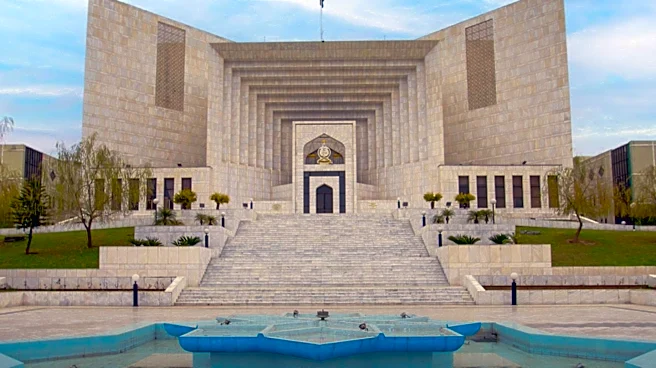
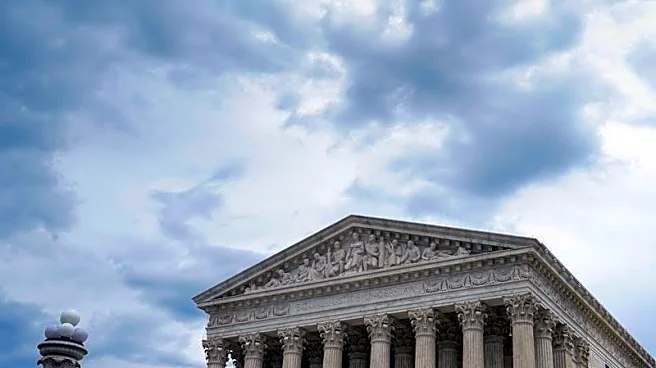
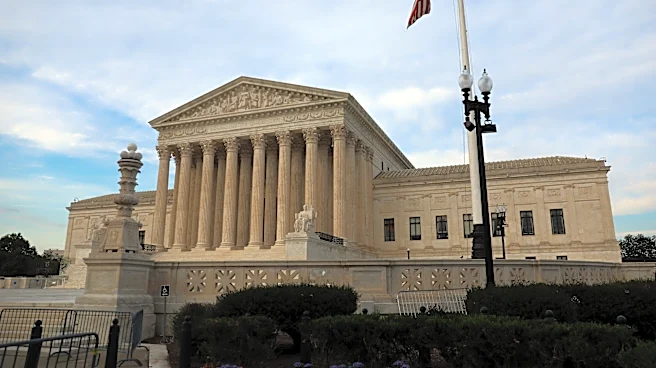
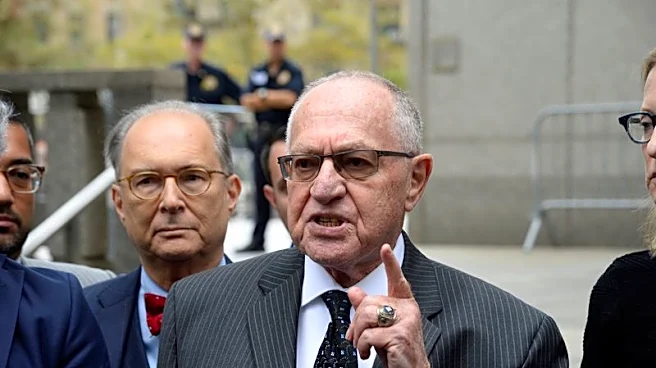
The U.S. Supreme Court has decided not to revive a $300 million defamation lawsuit filed by Alan Dershowitz against CNN. The lawsuit stemmed from CNN's coverage of Dershowitz's remarks during the defense of President Trump in his 2020 impeachment trial.
Dershowitz claimed that CNN aired only a portion of his comments, distorting his meaning and making him appear irrational. The network argued that multiple outlets interpreted his remarks similarly and that Dershowitz failed to prove CNN intended to mischaracterize his statements. The Supreme Court's decision was brief and unexplained, with Justices Neil Gorsuch and Clarence Thomas dissenting, suggesting a need to reconsider the legal standards for public figures claiming defamation. Dershowitz had urged the court to revisit the New York Times Co. v. Sullivan case, which requires public figures to prove that false information was published knowingly or with reckless disregard for the truth.
Why It's Important?
This decision underscores the high bar set for public figures to win defamation lawsuits in the United States, as established by the New York Times Co. v. Sullivan case. The ruling is significant for media organizations, as it reaffirms the protections afforded to them under the First Amendment when reporting on public figures. For public figures like Dershowitz, the decision highlights the challenges in proving defamation, particularly the requirement to demonstrate 'actual malice.' The case also reflects ongoing debates about the balance between free speech and protecting individuals from defamatory statements. The dissent by Justices Gorsuch and Thomas indicates a potential interest in revisiting these standards, which could have far-reaching implications for future defamation cases involving public figures.
What's Next?
While the Supreme Court's decision effectively ends Dershowitz's lawsuit against CNN, the dissenting opinions suggest that there may be future challenges to the current defamation standards. Legal scholars and media organizations will likely continue to monitor any developments or shifts in the court's approach to defamation law. Additionally, public figures may seek alternative legal strategies or legislative changes to address perceived imbalances in defamation protections. The media industry will continue to navigate the complexities of reporting on public figures while adhering to legal standards that protect against defamation claims.