








What's Happening?
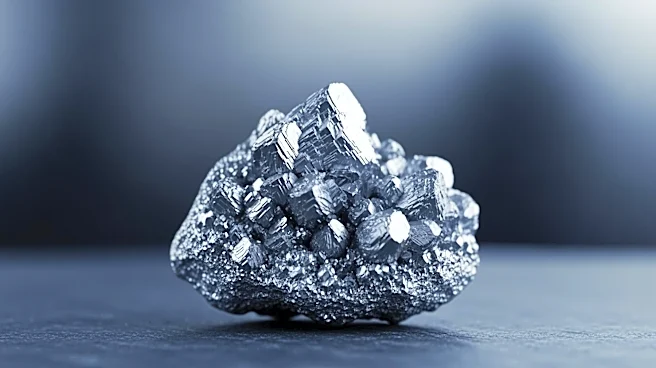
China has reaffirmed its restriction on rare earth exports to Japan, despite requests from the United States to lift these measures. The ban, initially announced in January by China's Ministry of Commerce, targets dual-use items, including rare earth elements
intended for Japanese military use. This decision is part of ongoing tensions between China and Japan, particularly concerning Taiwan. Despite the ban, China's overall rare earth exports have increased recently, reaching a four-month high in May, although still lower than the previous year. The Chinese government maintains that these materials are classified as dual-use under Chinese law, prohibiting their export for military purposes. The U.S. has expressed concerns over the impact on the global supply chain, particularly affecting Japan's technology sector.
Why It's Important?
The reaffirmation of the export ban highlights the geopolitical tensions in East Asia and the strategic importance of rare earth elements. These materials are crucial for various high-tech industries, including electronics and defense. The ban could disrupt Japan's technology sector, which heavily relies on these imports. The U.S. concern underscores the potential ripple effects on global supply chains, emphasizing the interconnectedness of international trade and technology sectors. Japan's efforts to mitigate the ban's impact by forming partnerships with other countries, such as France, Canada, and Australia, indicate a strategic shift to diversify its supply sources and reduce dependency on China.
What's Next?
Japan is likely to continue strengthening its alliances with other countries to secure alternative sources of rare earth elements. This includes ongoing negotiations and partnerships with nations like Australia, which has already agreed to a significant deal to bolster Japan's supply chain. The situation may also prompt further diplomatic engagements between the U.S., Japan, and China, as they navigate the complexities of international trade and security concerns. The outcome of these efforts could reshape the global rare earth market and influence future geopolitical strategies.