




What's Happening?
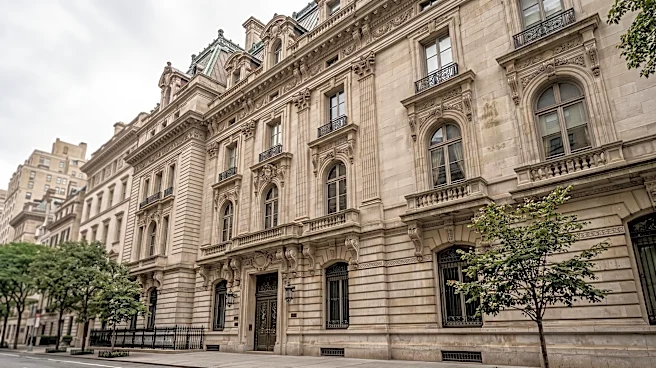
During the late 19th century, New York City's Fifth Avenue was transformed into 'Millionaire's Row,' adorned with extravagant European-style mansions built by tycoons like the Vanderbilts and Astors. These opulent residences, including William K. Vanderbilt's
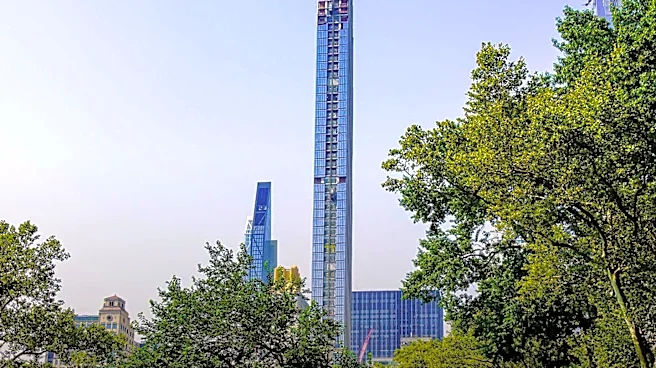
Petit Chateau and Cornelius Vanderbilt II's massive home, served as symbols of the Gilded Age's social, economic, and cultural transformation. However, this era of lavish private estates was short-lived. By the early 20th century, rising land values, increasing estate taxes, and changing economic conditions led to the demolition of many of these grand structures. They were subsequently replaced by high-rise apartment buildings and commercial establishments. For example, the Petit Chateau was demolished in 1926 to make way for a 41-story tower, and Cornelius Vanderbilt II's mansion was replaced by the Bergdorf Goodman department store. The Astor family's dual homes also met a similar fate, with Temple Emanu-El now standing in their place.
Why It's Important?
The demolition of these Gilded Age mansions on Fifth Avenue signifies a pivotal shift in urban development and economic priorities in the U.S. It illustrates the transient nature of even the most monumental displays of wealth when confronted with evolving market forces and societal needs. The transition from private palatial residences to commercial and multi-residential buildings reflects the increasing urbanization and commercialization of New York City, a trend that has continued across major American cities. This change impacted the city's architectural heritage, replacing unique historical landmarks with more functional, economically driven structures. The loss of these mansions also represents a broader cultural shift from an era of overt individualistic displays of wealth to one where land use became more communal or commercially oriented, affecting the aesthetic and social fabric of prominent urban areas. This historical pattern highlights the ongoing tension between preservation and progress in American urban planning.
What's Next?
While the physical structures of many Gilded Age mansions are gone, their legacy continues to be explored through cultural mediums like HBO's 'The Gilded Age,' which brings these historic houses back to life for a modern audience. The historical context of their demolition serves as a cautionary tale for urban planners and preservationists, emphasizing the importance of balancing development with the protection of architectural heritage. Discussions around land use, property taxes, and urban density continue to be relevant in major U.S. cities, echoing the pressures that led to the demise of Millionaire's Row. Future urban development projects will likely continue to grapple with these same challenges, weighing economic growth against historical and cultural preservation. The story of Fifth Avenue's transformation remains a case study in how economic and social forces can rapidly reshape a city's landscape.
Beyond the Headlines
The story of Fifth Avenue's Gilded Age mansions and their subsequent demolition offers deeper insights into the American ethos of progress and change. It highlights how even symbols of immense wealth and power can be ephemeral in the face of economic evolution. The shift from individual grandiosity to commercial utility reflects a broader societal movement towards efficiency and collective use of space, albeit often driven by profit. This transformation also raises questions about the value placed on historical architecture versus modern development, and the role of private wealth in shaping public spaces. The rapid disappearance of these architectural marvels underscores a uniquely American characteristic: a willingness to dismantle the old to make way for the new, often without extensive public debate or preservation efforts until much later. This historical precedent continues to inform contemporary debates about gentrification, urban renewal, and the character of American cities.