





What's Happening?
The Smoot-Hawley Tariff Act, signed by President Herbert Hoover on June 17, 1930, significantly raised U.S. import duties on thousands of agricultural and manufactured goods. Initially conceived as farm relief, the bill expanded to a general tariff revision
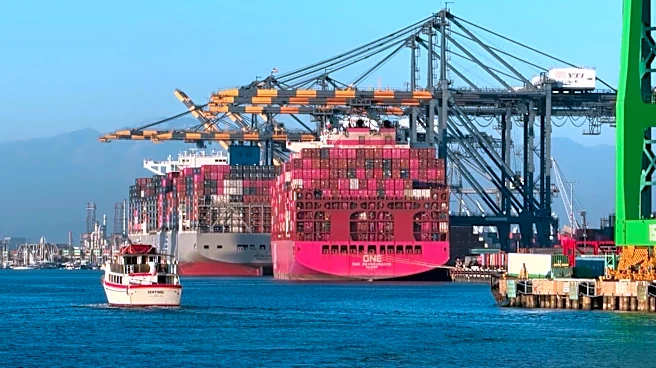
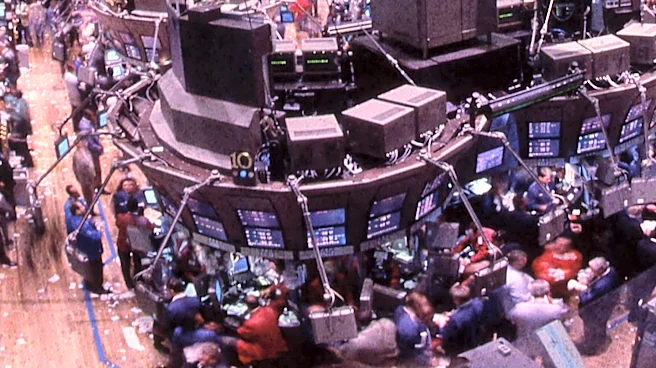
due to lobbying from various industries. This act was implemented after the stock market crash of October 1929, during the onset of the Great Depression. While it did not cause the Depression, which was driven by bank failures, deflation, falling demand, and debt problems, it contributed to the collapse of global trade and made economic recovery more challenging. Other countries, including Canada, retaliated with their own trade barriers, leading to a sharp decline in U.S. exports to these nations. World trade fell by approximately 66% between 1929 and 1934, a decline attributed to a combination of factors including tariffs, quotas, currency controls, collapsing incomes, and financial crises.
Why It's Important?
The Smoot-Hawley Tariff Act serves as a critical historical case study in the debate over protectionism versus free trade. Its implementation and subsequent global economic fallout demonstrated the potential for tariffs to provoke retaliatory measures, disrupt international cooperation, and exacerbate economic downturns. The act's legacy influenced a fundamental shift in U.S. trade policy, moving towards trade liberalization through bilateral or multilateral tariff cuts, as exemplified by the 1934 Reciprocal Trade Agreements Act. This historical experience underscores the interconnectedness of global economies and the far-reaching consequences of unilateral trade actions. For modern policymakers, Smoot-Hawley remains a cautionary tale, highlighting the risks of escalating duties and the importance of negotiated trade agreements to maintain stable international commerce. The act's impact on U.S. exports and the broader global economy illustrates who stands to lose when trade barriers are erected, particularly exporters and consumers facing higher costs and reduced market access.
What's Next?
While the Smoot-Hawley Tariff Act is a historical event, its lessons continue to be invoked in contemporary discussions about trade policy. The act's influence on the development of post-war trade institutions like GATT and the WTO suggests that its principles of negotiated tariff reductions remain relevant. In current trade debates, policymakers often refer to Smoot-Hawley as a warning against protectionist measures that could trigger trade wars and harm global economic stability. The ongoing relevance of this historical event means that future trade decisions will likely be informed by its cautionary lessons, emphasizing the need for careful consideration of potential retaliatory actions and broader economic impacts when contemplating tariff adjustments. The act's legacy encourages a focus on international cooperation and multilateral approaches to trade rather than unilateral protectionism.
Beyond the Headlines
Beyond its direct economic consequences, the Smoot-Hawley Tariff Act offers deeper insights into the political economy of trade. It illustrates how a narrow policy objective, such as farm relief, can be broadened by political lobbying into a comprehensive and potentially damaging piece of legislation. The act also highlights the tension between domestic political pressures for protection and the realities of international economic interdependence. The fact that over 1,000 economists urged President Hoover to veto the bill underscores the long-standing academic consensus against broad protectionist tariffs. The act's impact on the 1932 elections, with the defeat of its sponsors and President Hoover, demonstrates the political costs of policies perceived to have worsened economic conditions. In a broader sense, Smoot-Hawley represents a pivotal moment in understanding how trade policy can either foster global prosperity through cooperation or lead to economic isolation and decline, shaping the philosophical underpinnings of international trade for decades to come.