



What's Happening?
Deep fungal infections can present significant diagnostic challenges as their appearance can closely mimic that of squamous cell carcinoma, a common form of skin cancer. These infections, which penetrate deeper layers of the skin, can form warty lumps,
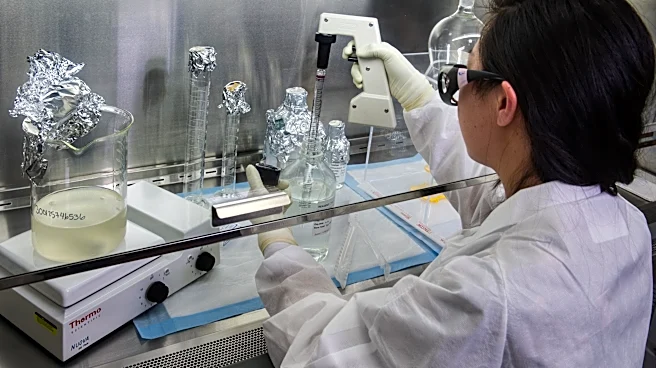
crusted plaques, or sores with raised edges over several months. This visual similarity often leads to misdiagnosis, with long-standing scarred patches sometimes even evolving into cancer. The only definitive way to differentiate between a deep fungal infection and skin cancer is through microscopic examination of a tissue sample, and sometimes by growing the sample in a laboratory. This issue is particularly prevalent in regions with hot, humid climates, where activities like farm work, gardening, construction, and walking barefoot increase the risk of fungal spores entering the skin through small wounds.
Why It's Important?
The diagnostic ambiguity between deep fungal infections and skin cancer carries substantial implications for patient care and public health. Misdiagnosis can lead to delayed or inappropriate treatment, potentially allowing a treatable fungal infection to worsen or, more critically, delaying life-saving interventions for skin cancer. For patients, this means prolonged anxiety, unnecessary treatments, and potentially poorer outcomes. Healthcare systems face increased burdens due to repeated consultations and specialized diagnostic procedures. The prevalence of these infections in certain occupational and environmental contexts also highlights a public health concern, particularly for individuals in agricultural or construction sectors in high-risk climates. Accurate and timely diagnosis is crucial to ensure patients receive the correct medical attention, preventing disease progression and improving overall health outcomes.
What's Next?
To address the challenges posed by deep fungal infections, continued emphasis on advanced diagnostic techniques and increased awareness among healthcare providers are essential. Medical professionals, especially those in dermatology and general practice, need to be vigilant in considering both fungal infections and skin cancer in their differential diagnoses for suspicious skin lesions. Further research into non-invasive diagnostic methods could also help in distinguishing these conditions more rapidly and accurately. Public health campaigns in high-risk areas could educate individuals on preventive measures against fungal infections and the importance of seeking medical attention for persistent skin abnormalities. Additionally, improved access to specialized diagnostic laboratories will be critical in ensuring timely and accurate diagnoses, ultimately leading to better patient management and outcomes.
Beyond the Headlines
The challenge of distinguishing deep fungal infections from skin cancer underscores a broader issue in medicine: the complexity of differential diagnosis, especially when conditions share similar clinical presentations. This situation highlights the critical role of pathology and laboratory medicine, as visual assessment alone is often insufficient for definitive diagnosis. It also brings to light the impact of environmental factors and occupational hazards on health, particularly in vulnerable populations. The potential for a treatable infection to be mistaken for a life-threatening disease, or vice versa, raises ethical considerations regarding diagnostic protocols and patient communication. This scenario emphasizes the need for a holistic approach to patient care, integrating clinical observation with advanced diagnostic tools and a deep understanding of epidemiological factors to ensure optimal health outcomes and prevent diagnostic errors.