





What's Happening?
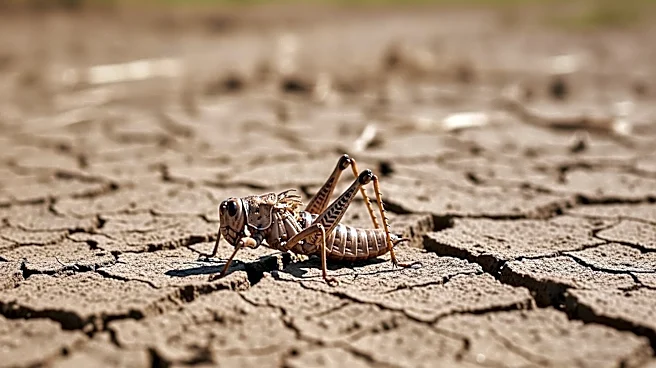
Texas has reported the detection of the New World screwworm in livestock, marking the first occurrence in the state in six decades. The U.S. Department of Agriculture confirmed the presence of this flesh-eating parasite in two calves in South Texas. Historically,
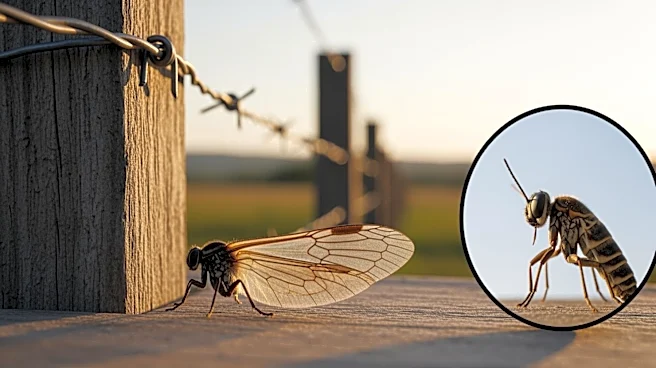
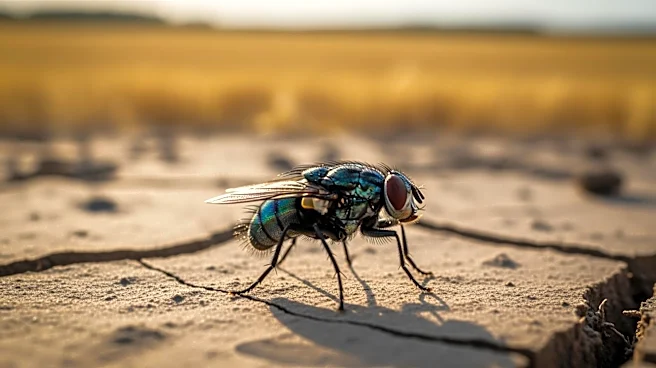
the screwworm was a major pest in the U.S., causing significant economic damage to the livestock industry. The parasite was eradicated in the mid-1900s through a program that released sterile male flies to prevent reproduction. However, recent migrations from Central America have led to its reappearance. Authorities are implementing containment measures, including restricting animal movement and releasing sterile flies to control the outbreak.
Why It's Important?
The reemergence of the screwworm poses a threat to the U.S. livestock industry, which could face economic losses if the parasite spreads. The situation underscores the importance of maintaining robust biosecurity measures to prevent the introduction of pests and diseases. The response by agricultural authorities will be crucial in preventing a widespread outbreak. The incident also highlights the interconnectedness of ecosystems and the challenges of managing cross-border pest migrations.
What's Next?
U.S. officials are intensifying efforts to contain the screwworm outbreak, with plans to expand the release of sterile flies in affected areas. The success of these measures will depend on cooperation between federal and state agencies, as well as collaboration with Mexican authorities to address the source of the migration. Continued surveillance and public awareness campaigns will be essential to prevent further spread and protect the livestock industry.