





What's Happening?
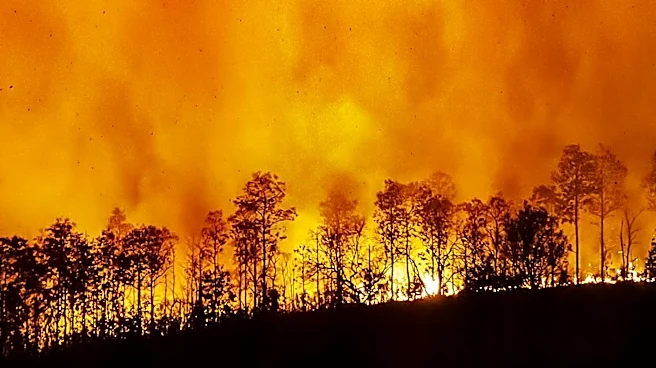
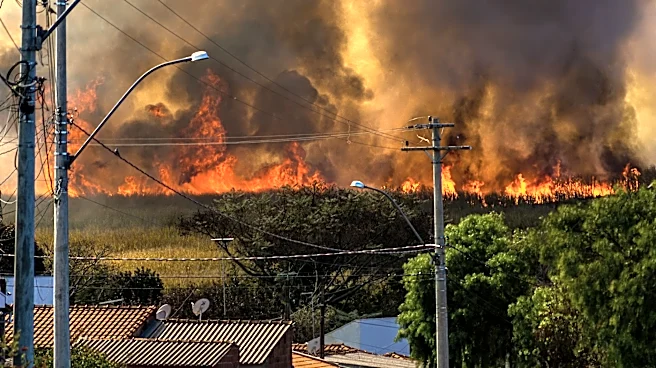
Utilities are increasingly adopting AI-powered inspections and asset intelligence to enhance wildfire mitigation efforts. This shift from reactive maintenance to proactive risk mitigation is driven by the need to address grid vulnerabilities exposed by extreme
weather events. AI technology enables utilities to identify high-risk infrastructure, prioritize mitigation activities, and strengthen wildfire preparedness. The upcoming Wildfire & Weather Emergency Response Summit in Chicago will showcase these advancements, with industry experts discussing the evolution of utility infrastructure reliability. Donald McPhail, Vice President of Market Development at eSmart Systems, highlights the importance of a layered approach to grid resilience, emphasizing the role of AI-driven image analytics in making smarter investment decisions.
Why It's Important?
The integration of AI in utility operations represents a significant advancement in addressing the challenges posed by climate change and extreme weather events. By enabling utilities to proactively manage and mitigate risks, AI technology helps ensure the reliability and resilience of the power grid. This is crucial for maintaining uninterrupted power supply and protecting communities from the devastating impacts of wildfires. The ability to prioritize investments based on data-driven insights also supports financial, legal, and regulatory compliance, ensuring that utilities can justify their spending decisions. As climate-related threats continue to evolve, the adoption of AI-driven solutions will be essential for building a more adaptable and dependable grid.
What's Next?
The Wildfire & Weather Emergency Response Summit will provide a platform for industry leaders to discuss the latest advancements in utility wildfire mitigation. Attendees can expect to learn about the implementation of AI-driven inspections and the development of a 'triple line of defense' approach to resilience, prevention, containment, and rapid recovery. As utilities continue to integrate AI technology into their operations, collaboration with companies like eSmart Systems will be key to closing the gap between data collection and actionable intelligence. This ongoing evolution will likely lead to further innovations in grid management and increased investment in AI solutions.